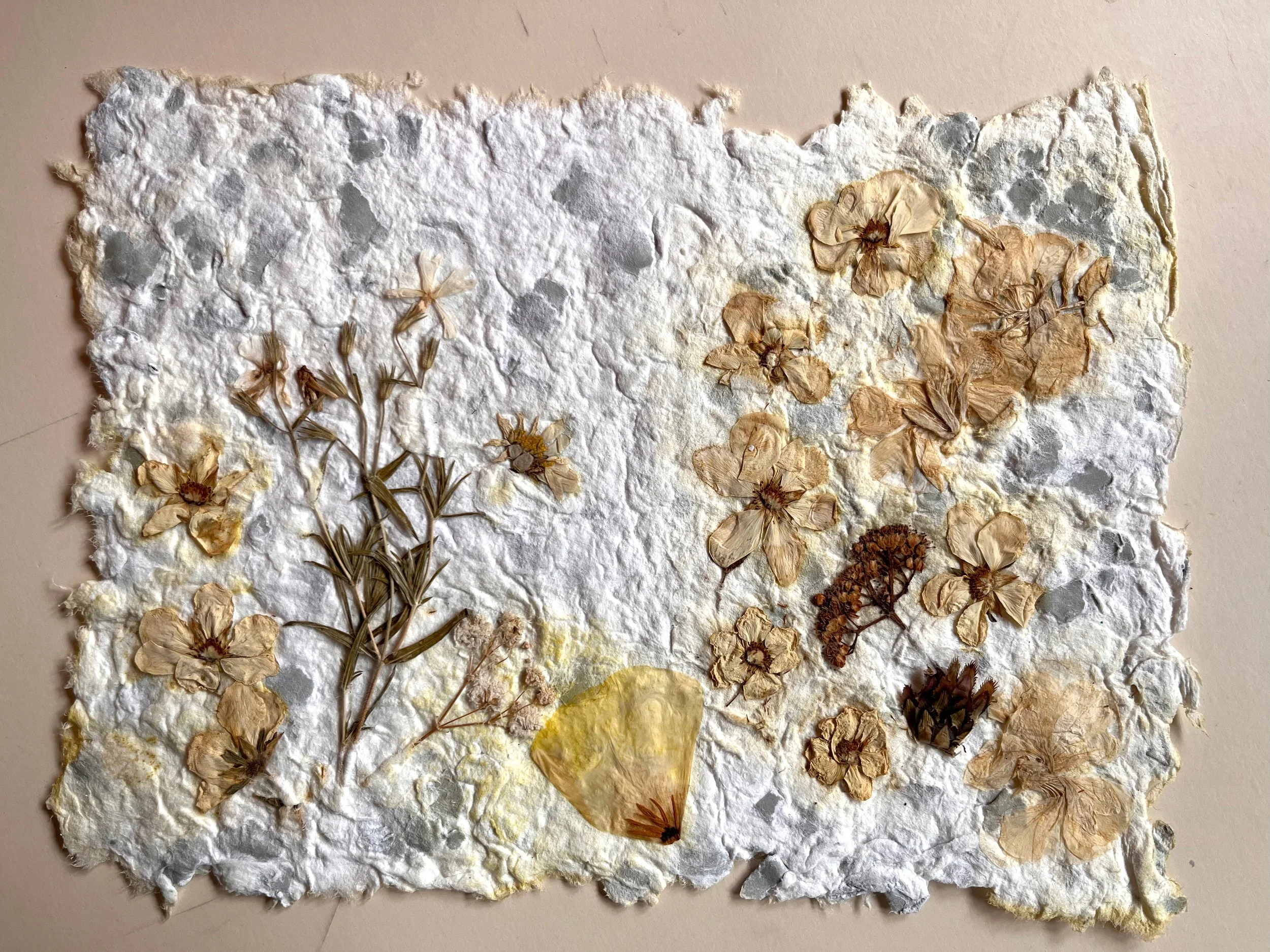
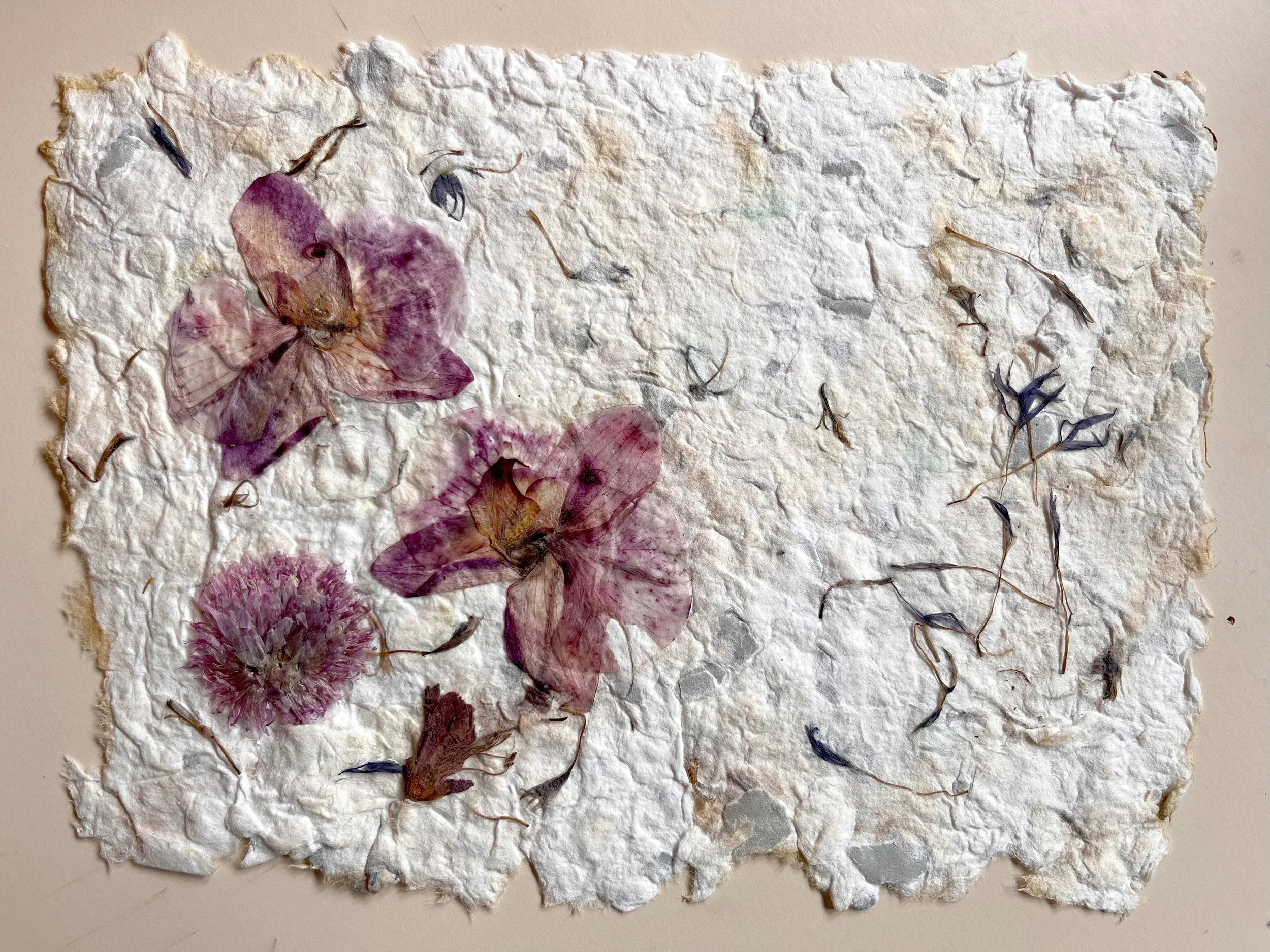
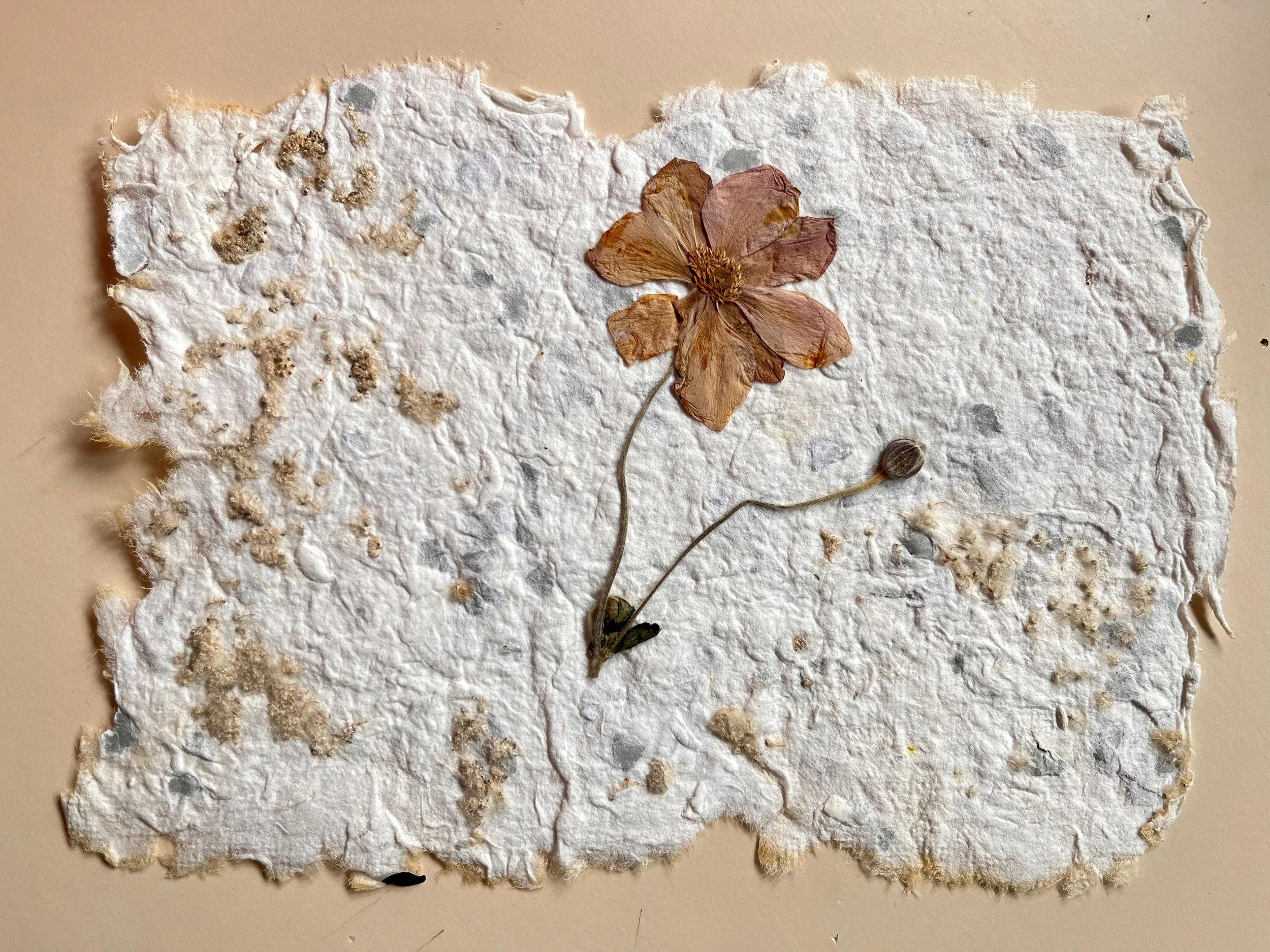
‘Whispering on the wind’ written in reflection on 1st October 2023.
Man feels himself isolated in the cosmos, because he is no longer involved in nature...these have slowly lost their symbolic implications… No voices now speak to man from stones, plants, and animals, nor does he speak to them believing they can hear. His contact with nature has gone, and with it has gone the profound emotional energy that this symbolic connection supplied.
Carl Gustav Jung (1964) from ‘Man and his Symbols’
Reconnecting with my creative journey…
Presenting the experiential via the digital arts, this portfolio demonstrates how my values and respect for ecology, the environment and creativity are at the core of my practice. Connecting the past and present through this technological interface, through our senses, our emotions and our actions, we can build a symbiotic relationship with the natural world.

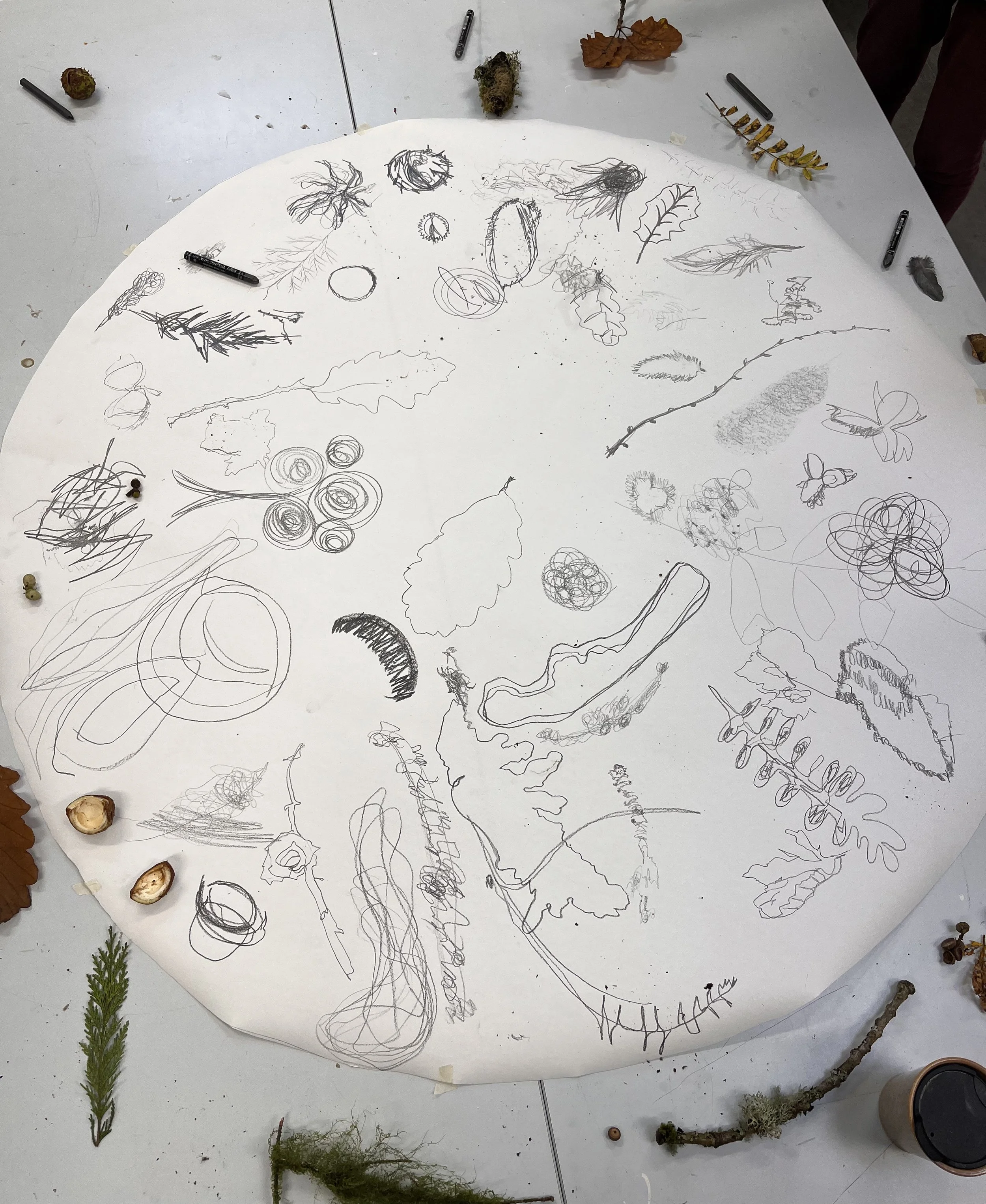
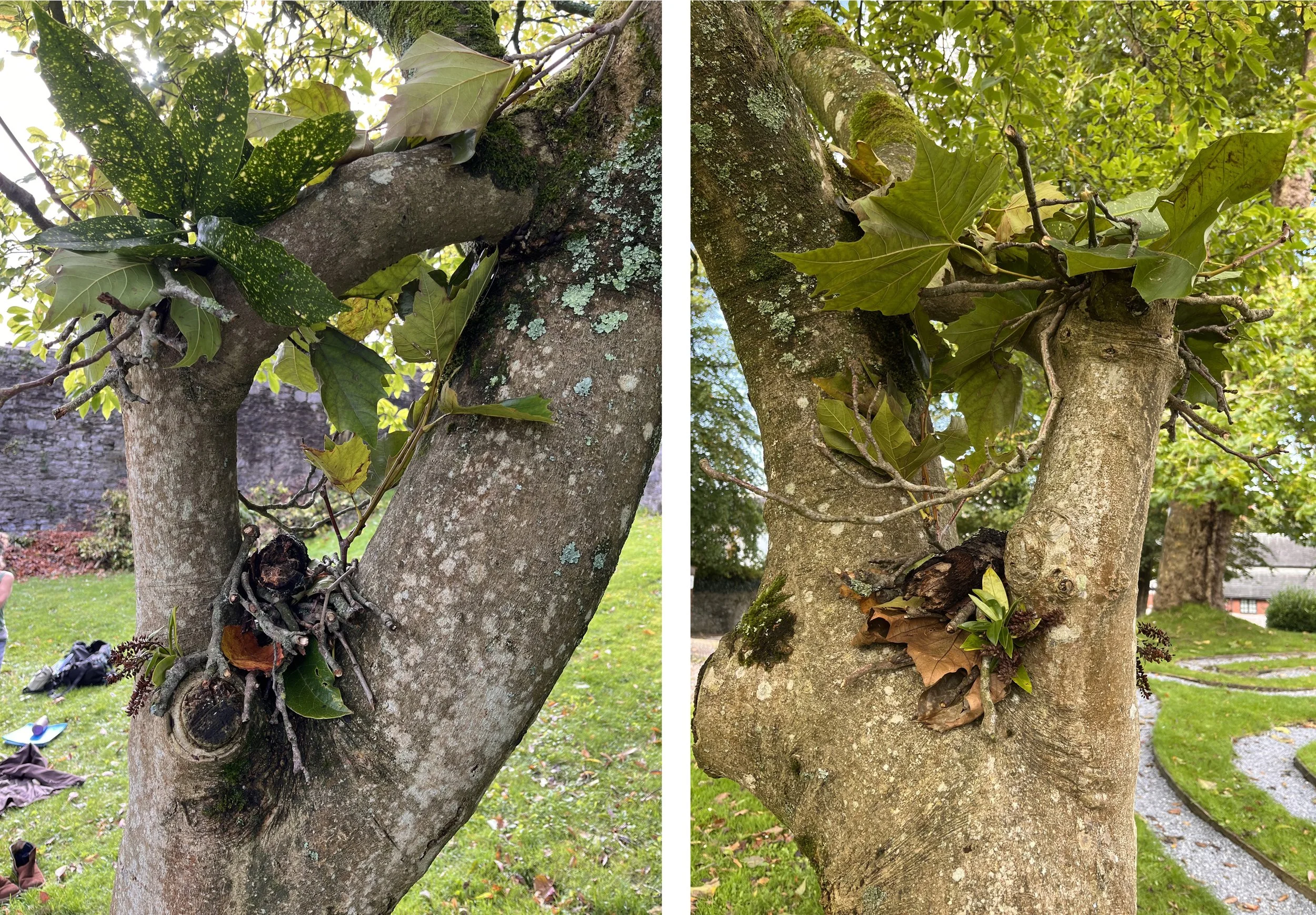
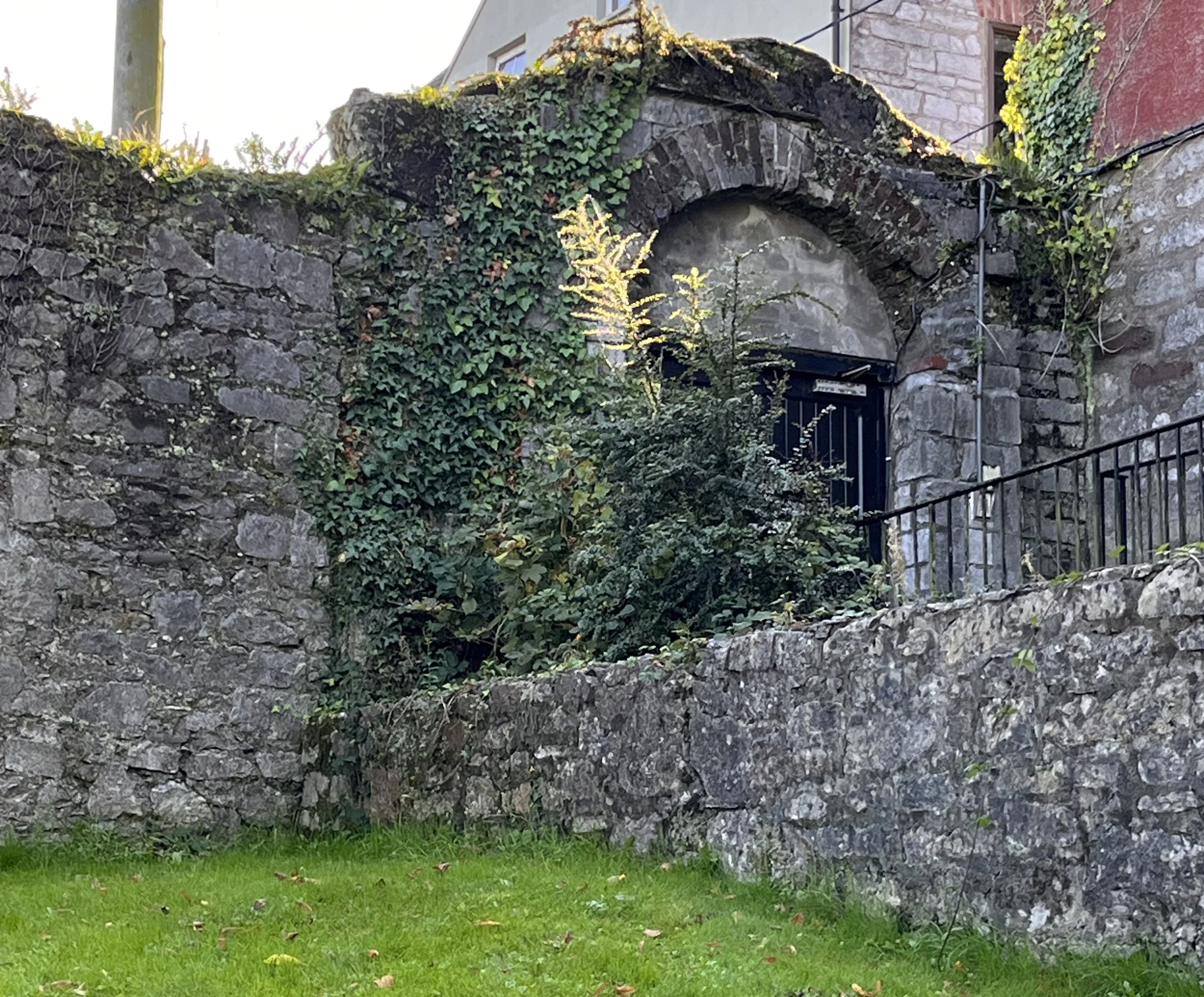

Capturing what we saw, heard, smelled, and touched into our personalised notebooks.
On our first weekend our Eco Arts class developed our terms of working together as a group contract. We each created a handmade notebook in our workshop with Karen Webster.
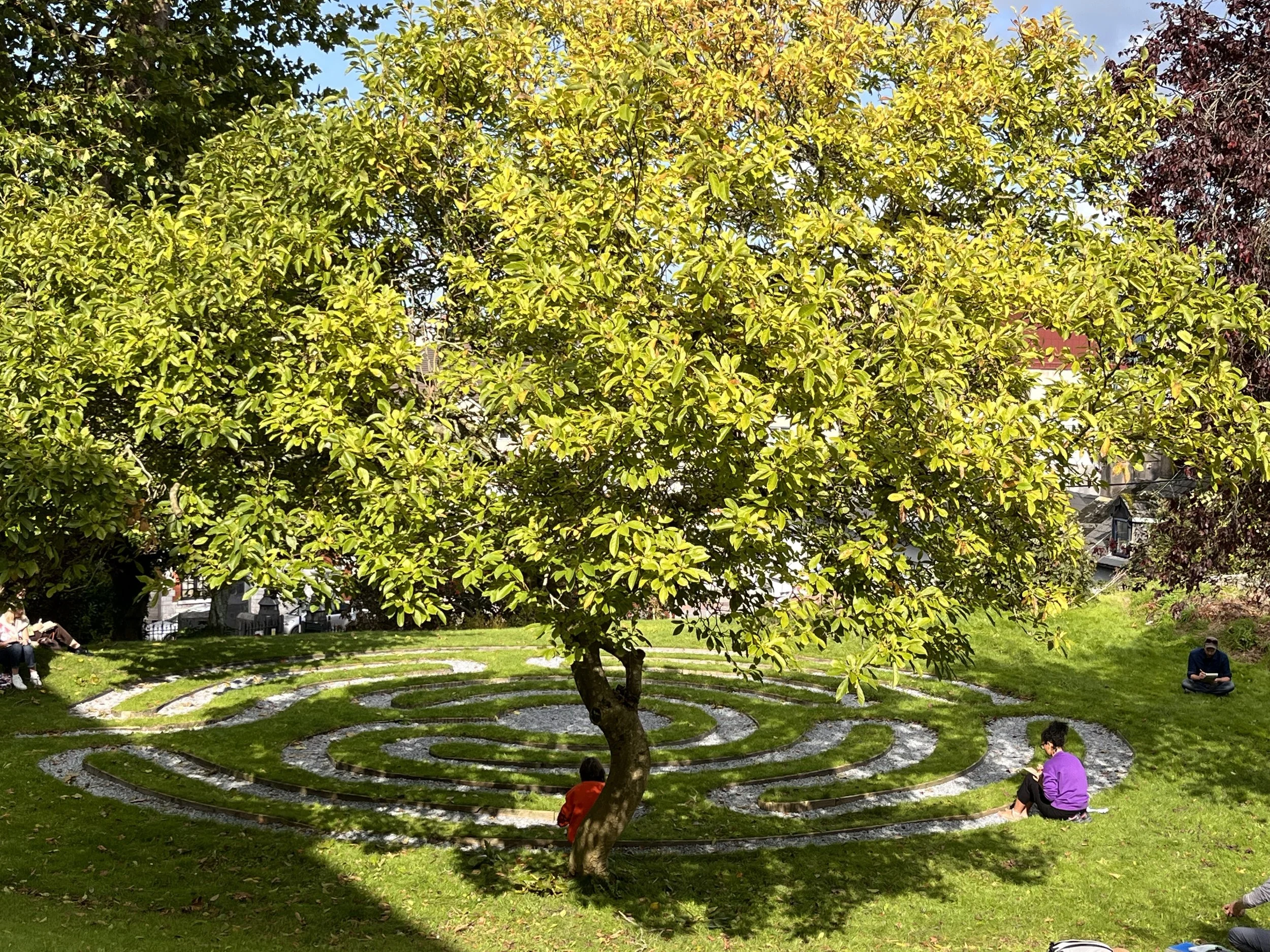
We connected with the space at St Finbarr’s Church Labyrinth, through our senses, drawing the sounds and chorus all around us. We wrote a haiku each and we identified a snapshot as a space of wellness and mindfulness.
“Hearing birds singing
Focussing on the senses
Breaking from chaos”
Collective Poem Written with Crizine Backhouse
Today I am grateful
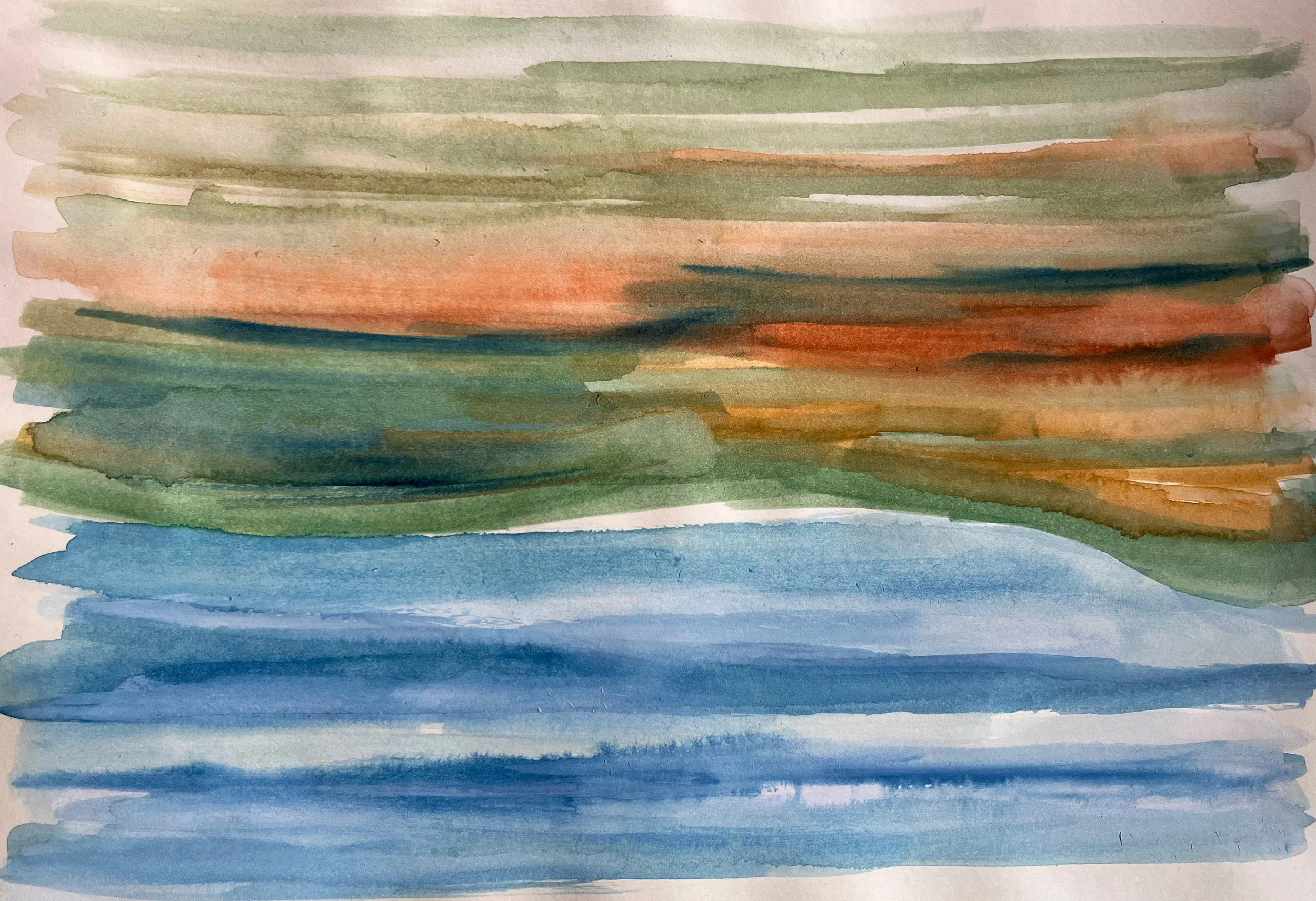
Today I am grateful - for the sunrise every day, watercolour, 22nd October 2023
Today I am grateful for seeds that grow in the dark,
For receiving a hug in the morning,
For murmers in the morning, not shouts in the night,
Today I am grateful for fragility and strength,
For the cool, damp drizzle,
For being sent the gifts that have the shape of people,
For the sunrise every day,
Today I am grateful for health and safety,
I really don't know why, but Today I am grateful.
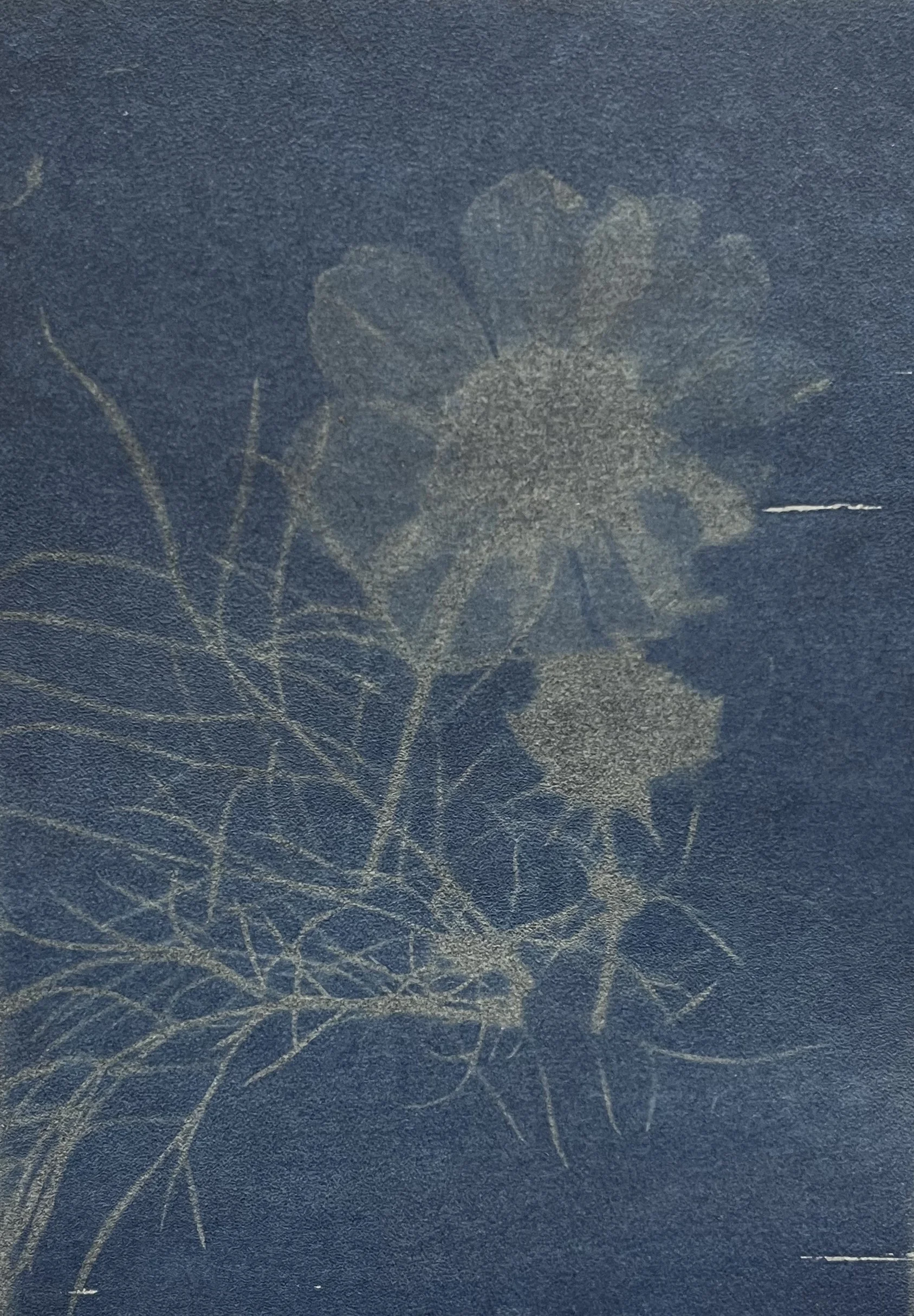
Cyanotype
Cyanotype image exposed on A5 paper with flowers and leaves under glass with a little UV light on an Autumn day.
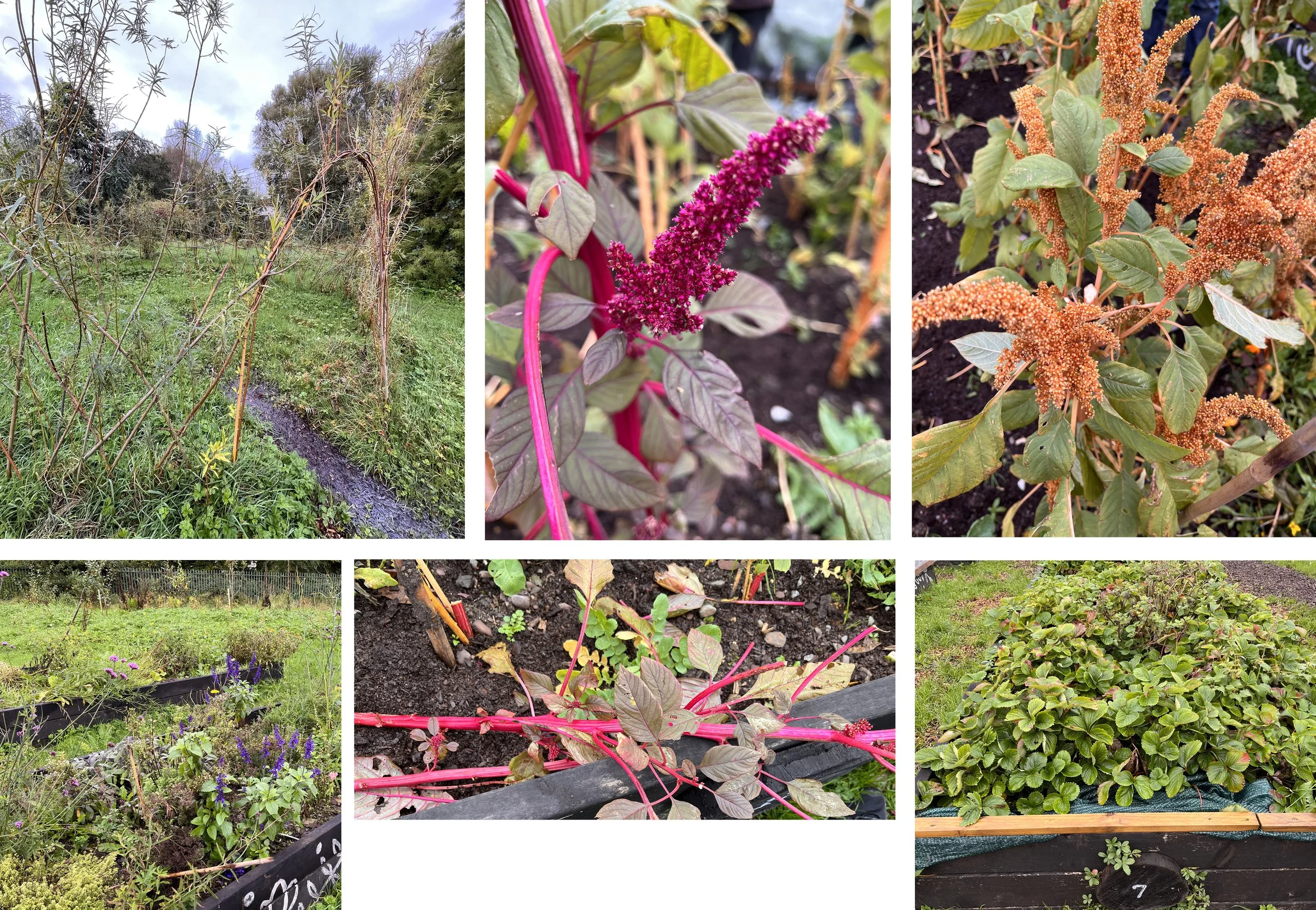
Anthotype Printing
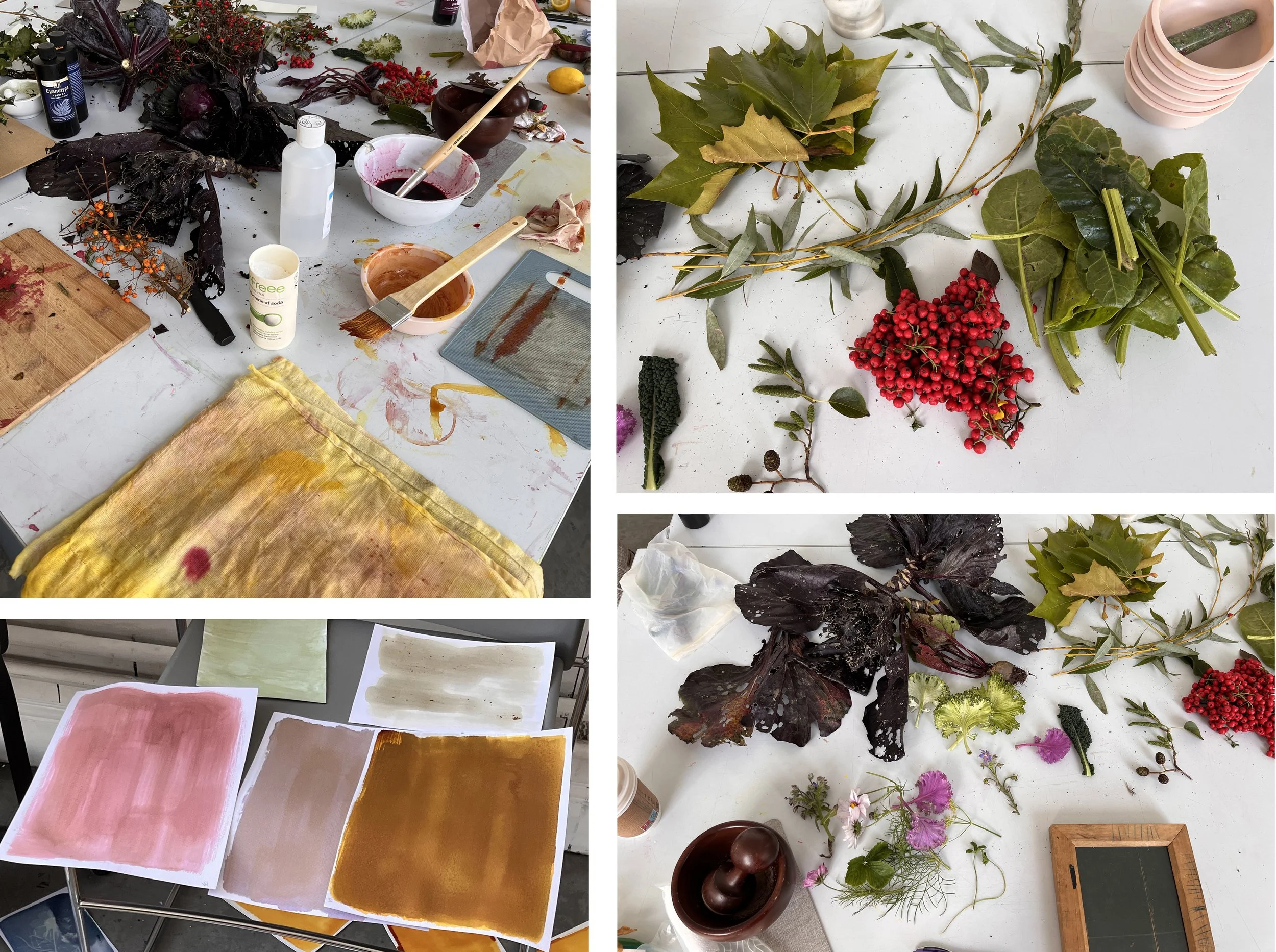
Our Eco Arts group foraged excess fresh plant material at the community garden with Jess Marbe.
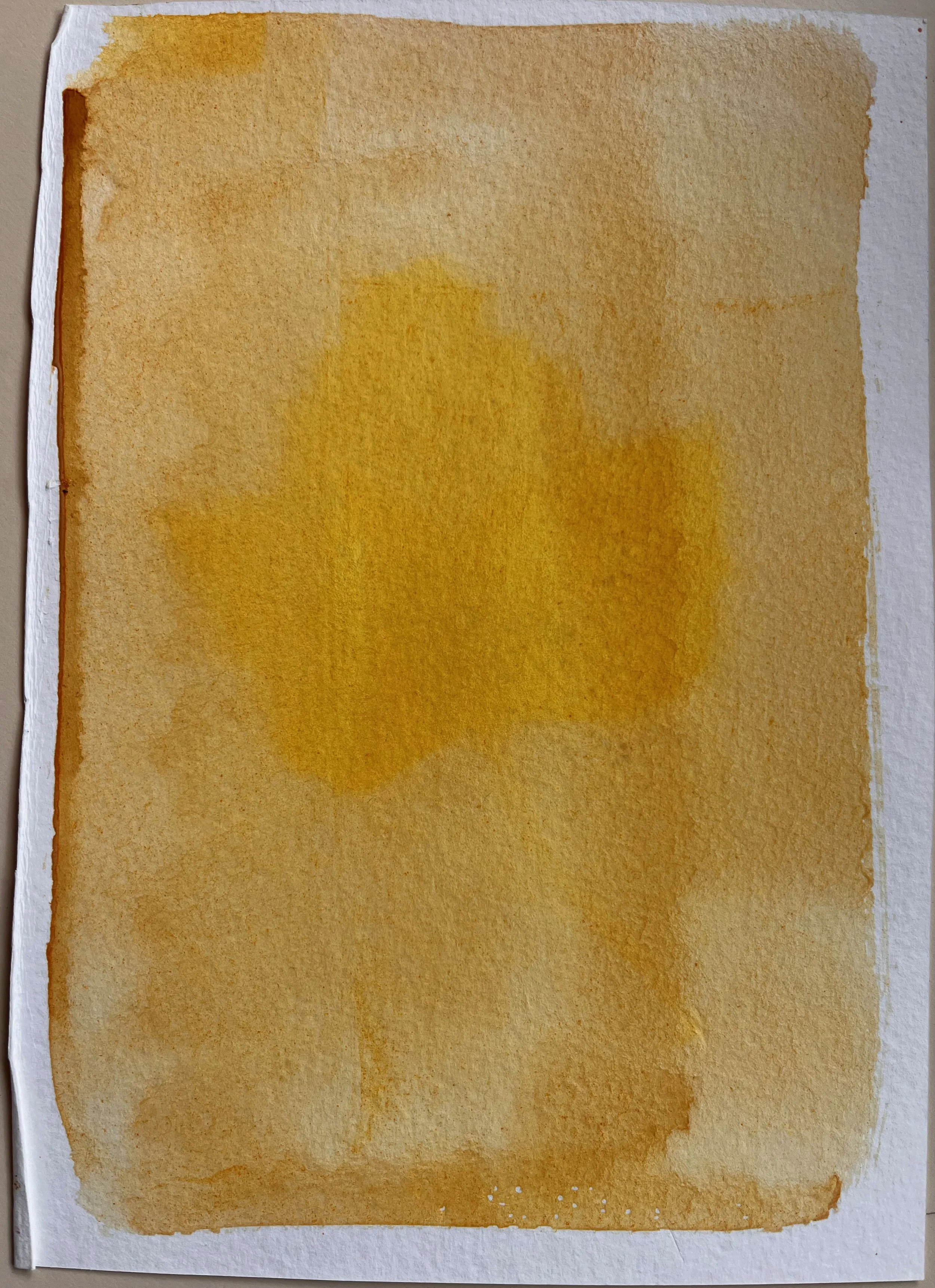
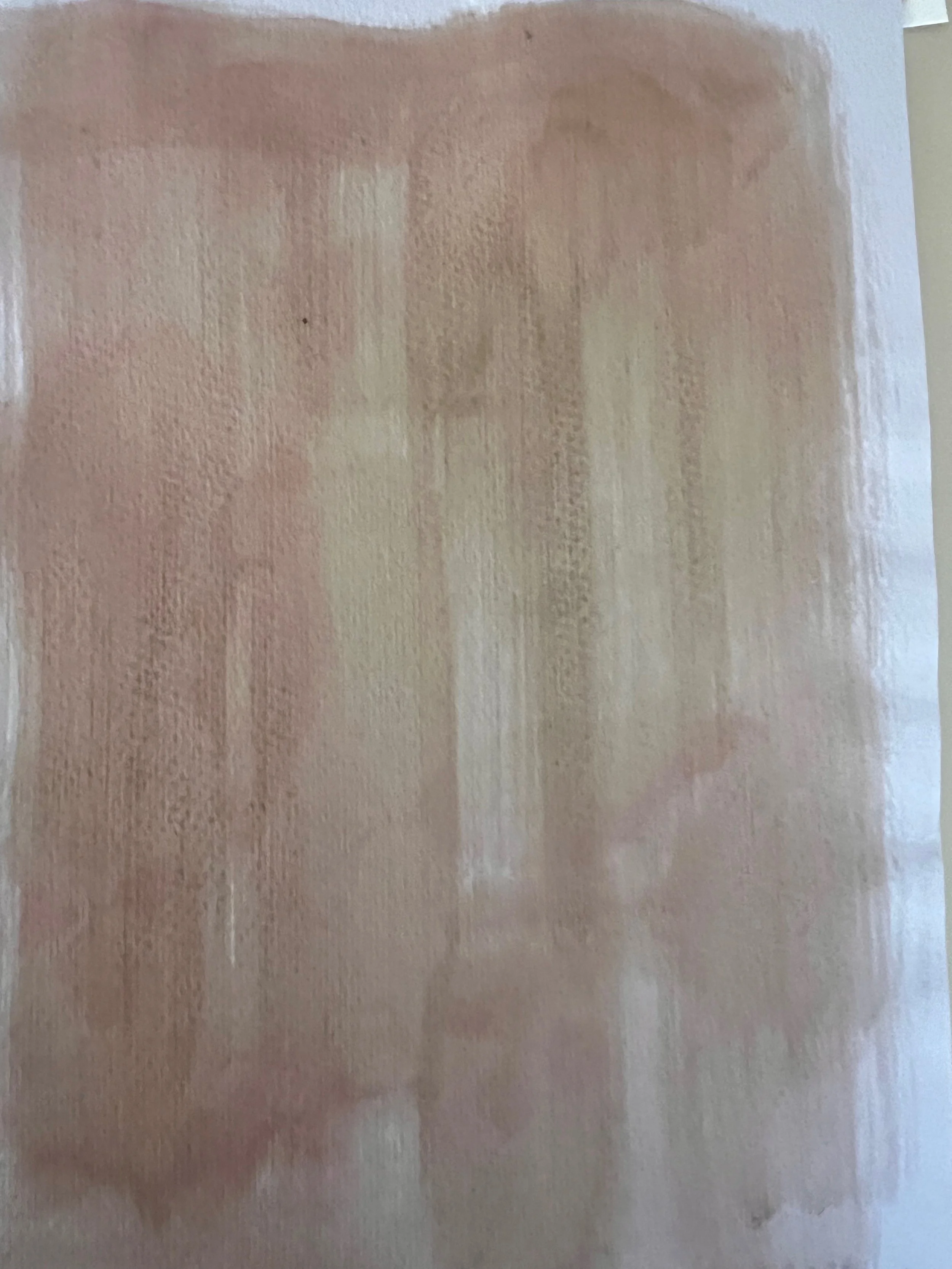
From Rowan berries; beetroot and leaves; turmeric root juice and spinach we used nature’s ingredients to make pigments by juicing, mashing, pulping and mixing a selection of berries and leaves. We painted these liquids onto watercolour paper to make backgrounds and left to dry for printing Anthotypes at a later time.
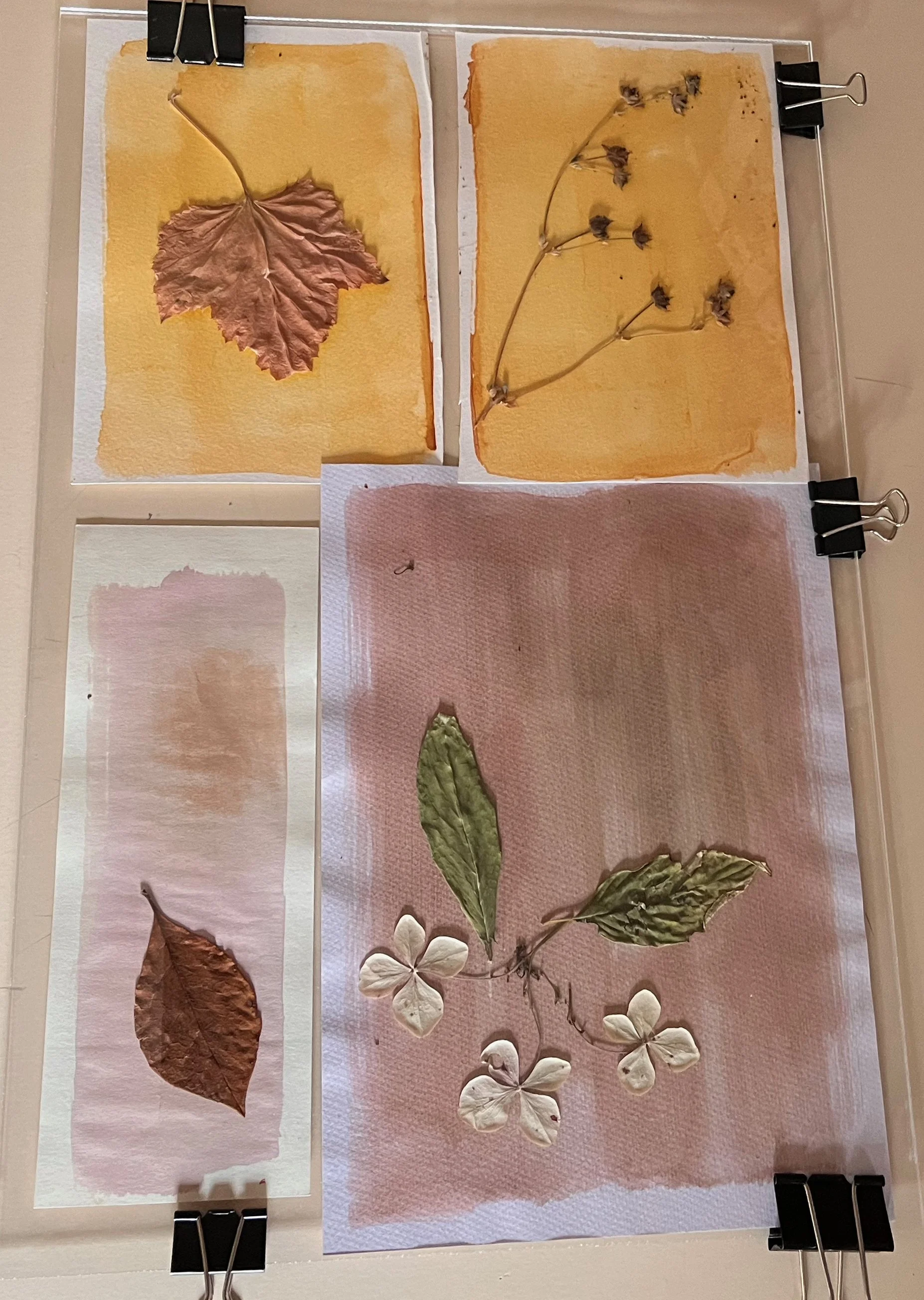
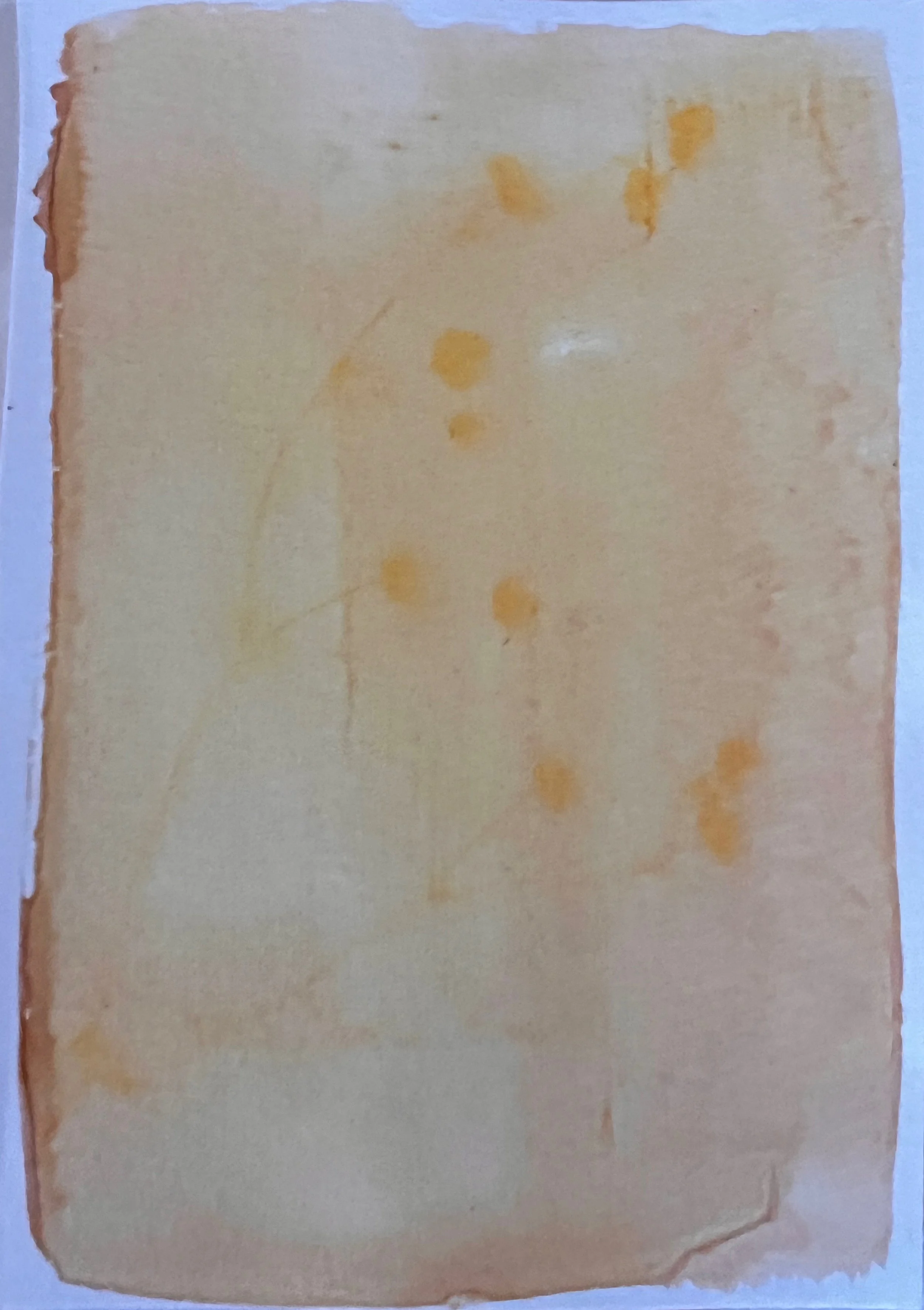
Using the prepared and dried A5 paper painted with turmeric juice as well as one A4 page painted with beetroot juice, I placed leaves and some flowers on top. These were held in place between two pieces of perspex with bulldog clips.
This was exposed to natural UV light (in the winter) over three months and the plants removed in March 2024. The results were poor, however, I expect if this was repeated in summer months the results would be different.

Making our own Inks and Dyes, with Ashleigh Ellis
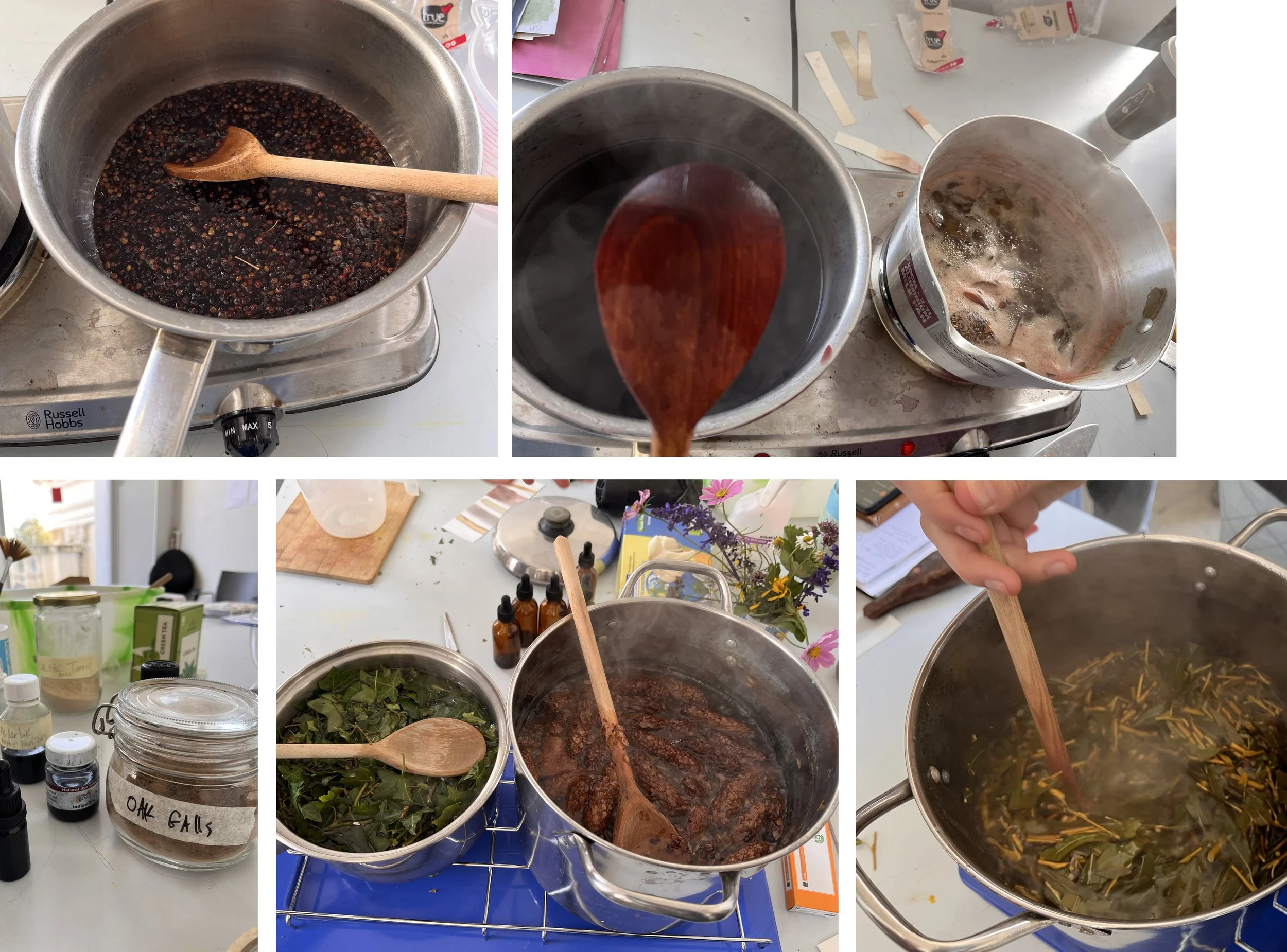
Eco Arts group cooking our inks and dyes
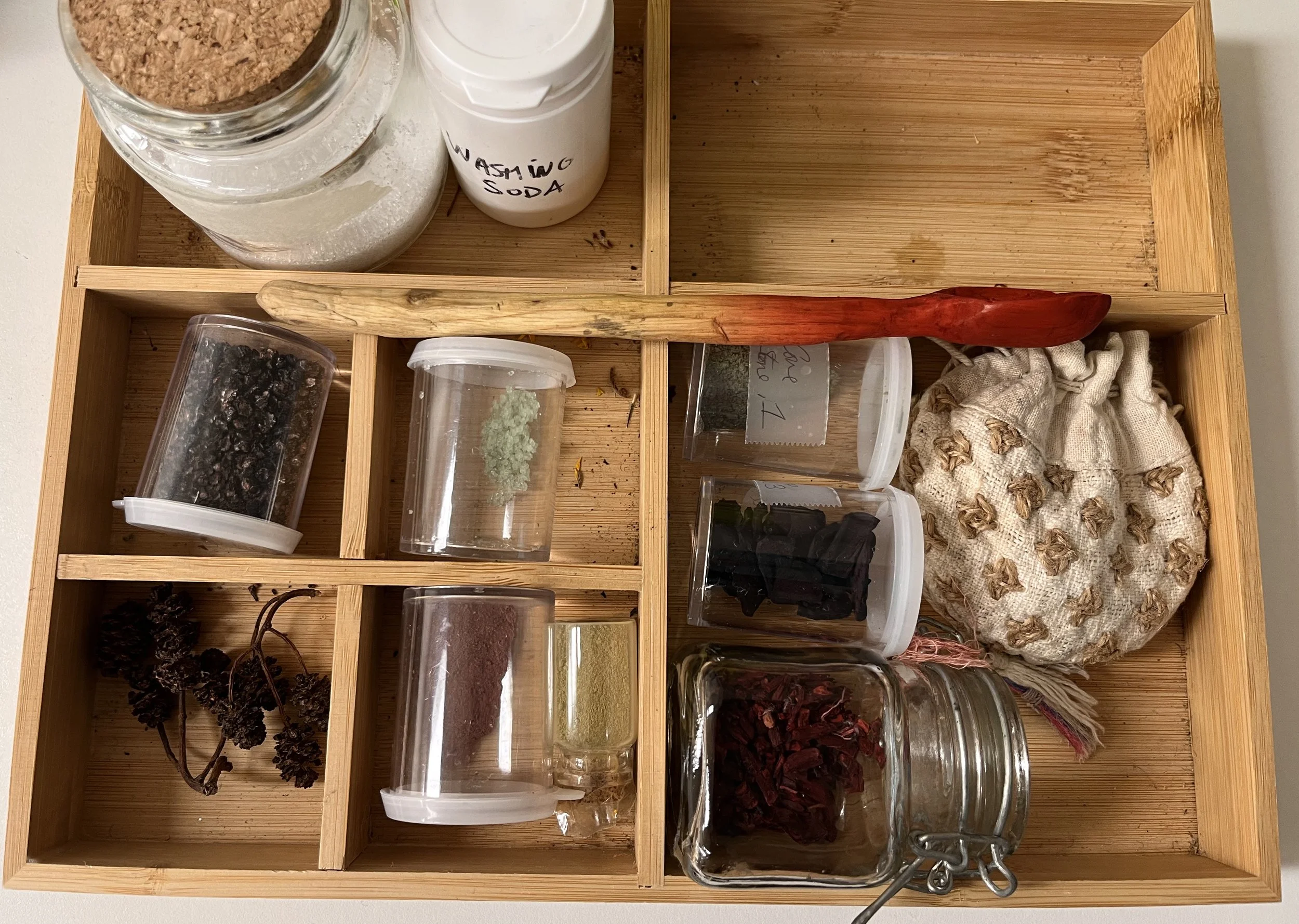
Working together our Eco Arts group prepared the ingredients to make inks and dyes. We worked in stations chopping, cooking, and testing our ingredients before sieving them through muslin and then packaging each carefully into sterilised jars for refrigeration at home.
Elderberry, Spruce Cones, Hibiscus, Avocado, Red Onion Skins, Oak leaves and Ivy leaves, were tested for colour intensity on paper throughout the day.
After refrigerating the inks for about one month, I tested the colours again on watercolour paper, on cotton, on wool, and on twine. Noticing how the colour intensifies over time while stored from light tones to rich vibrant colours I used the inks to paint with.
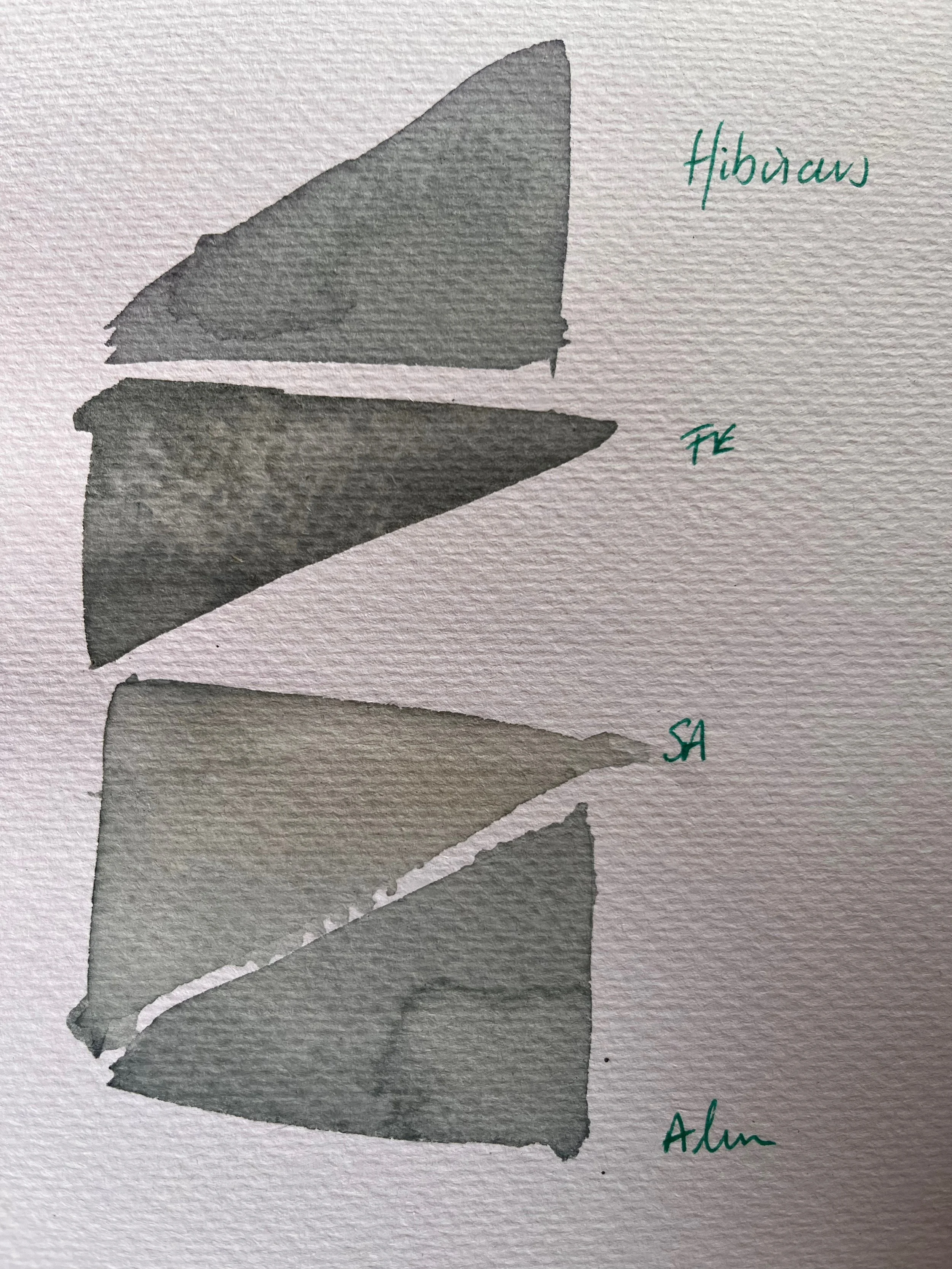
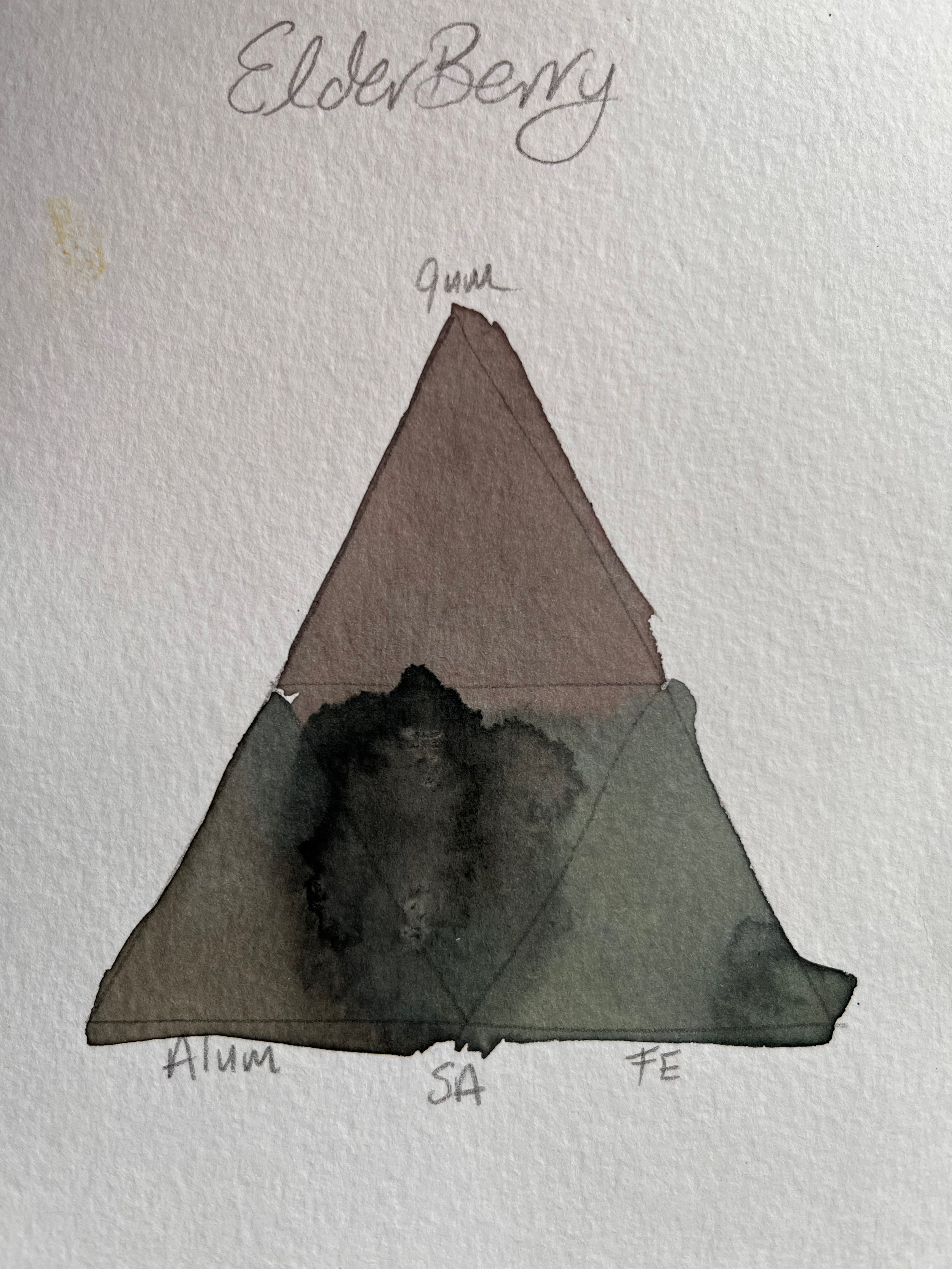
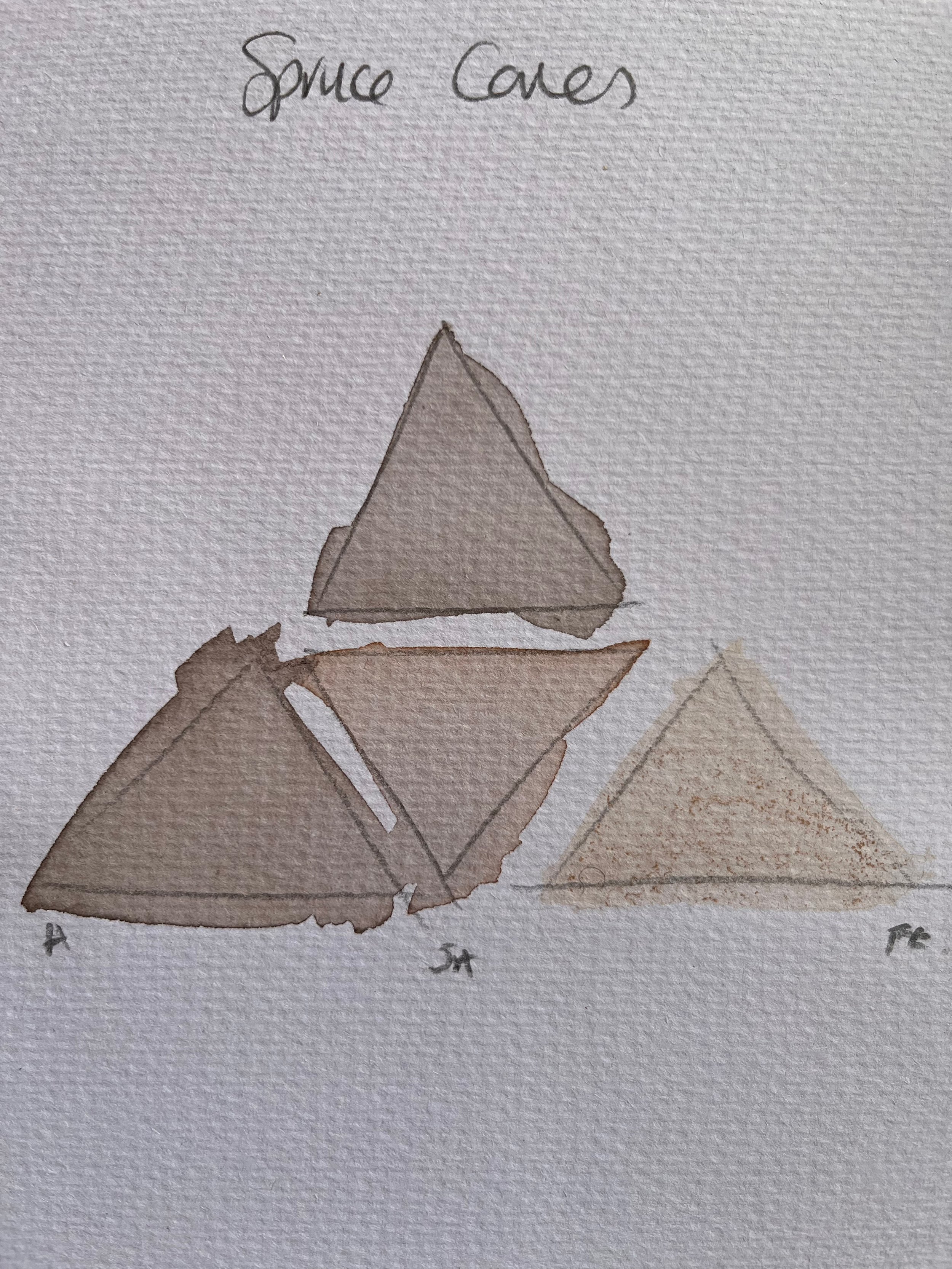
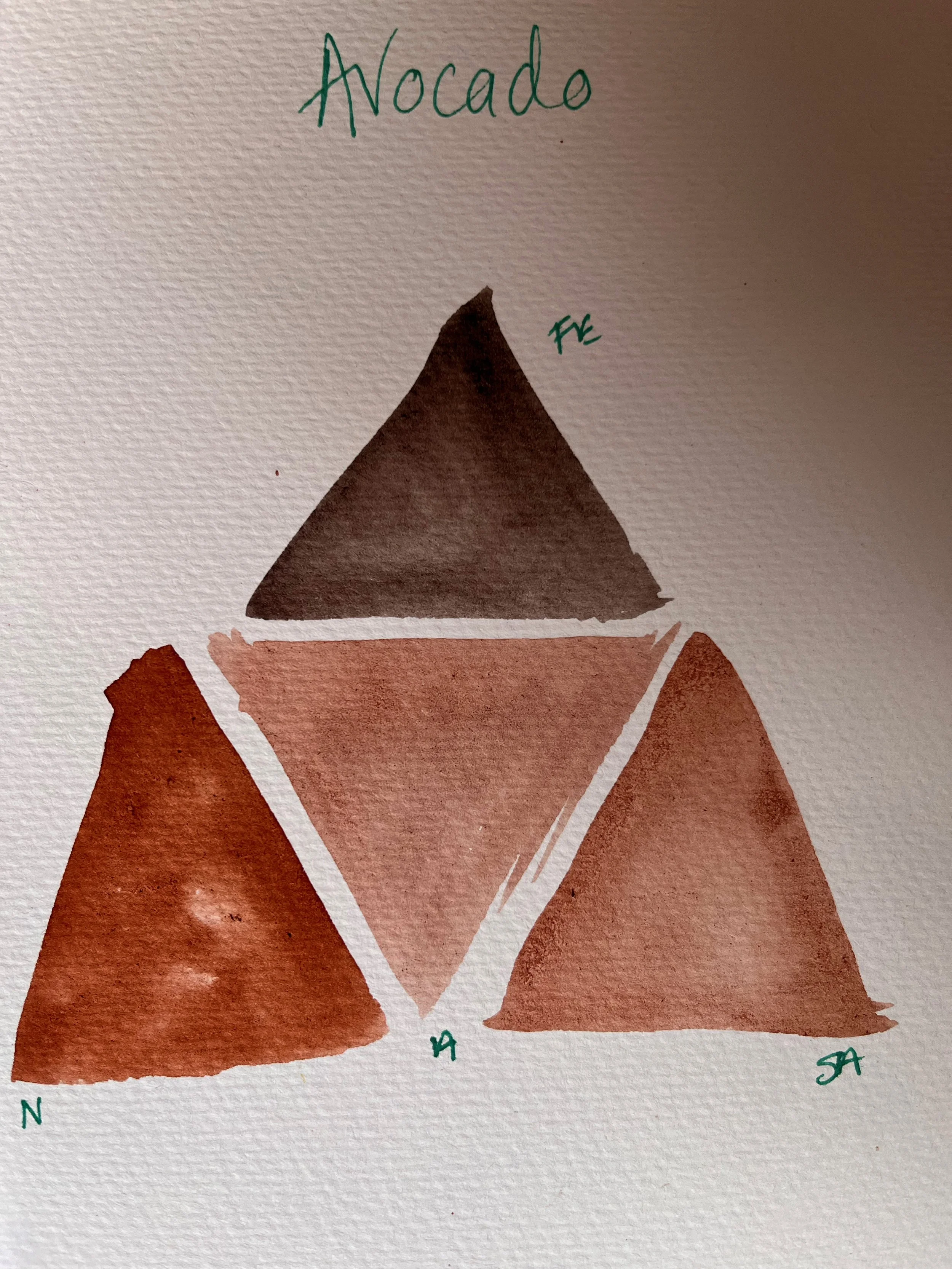
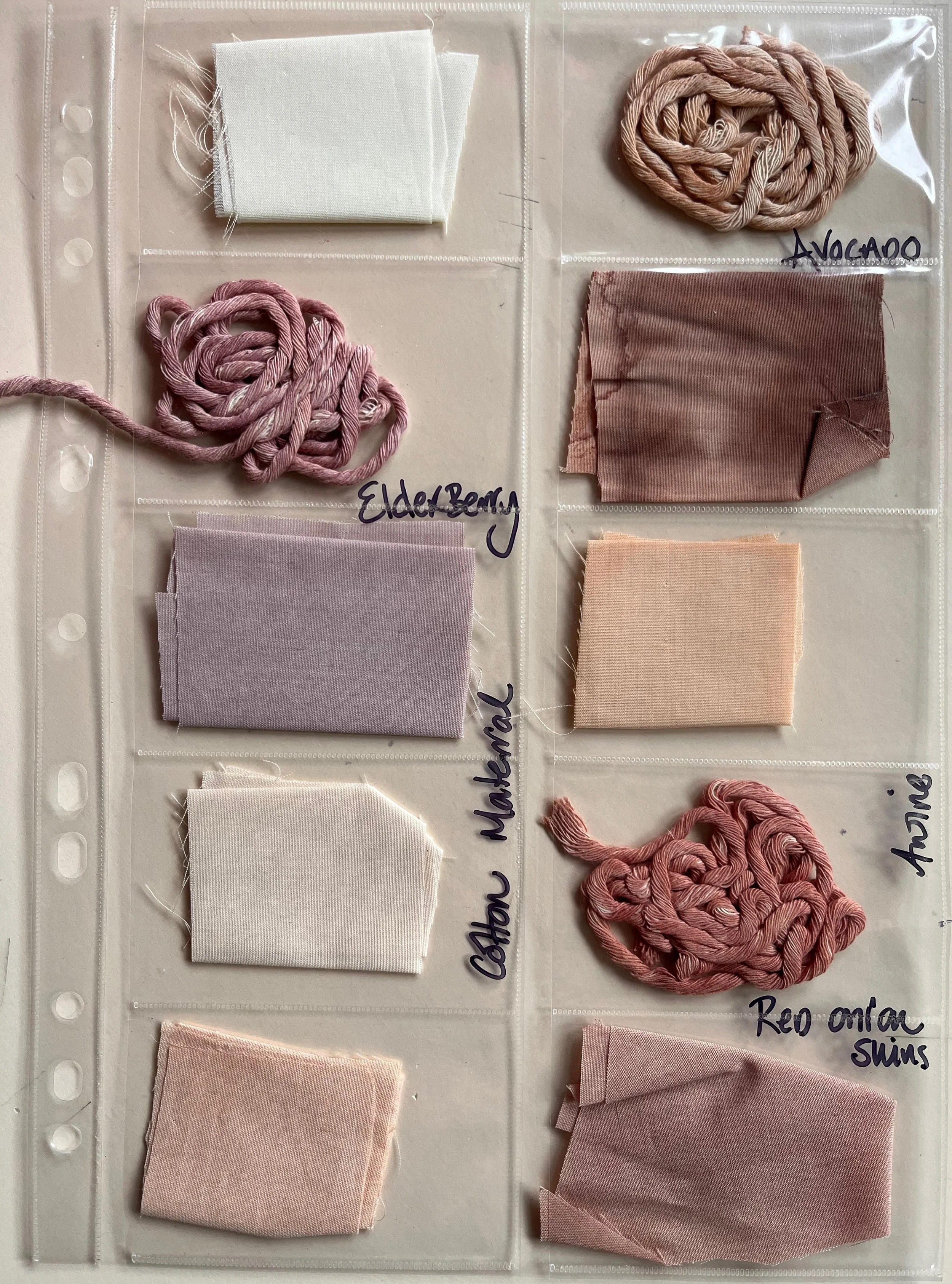
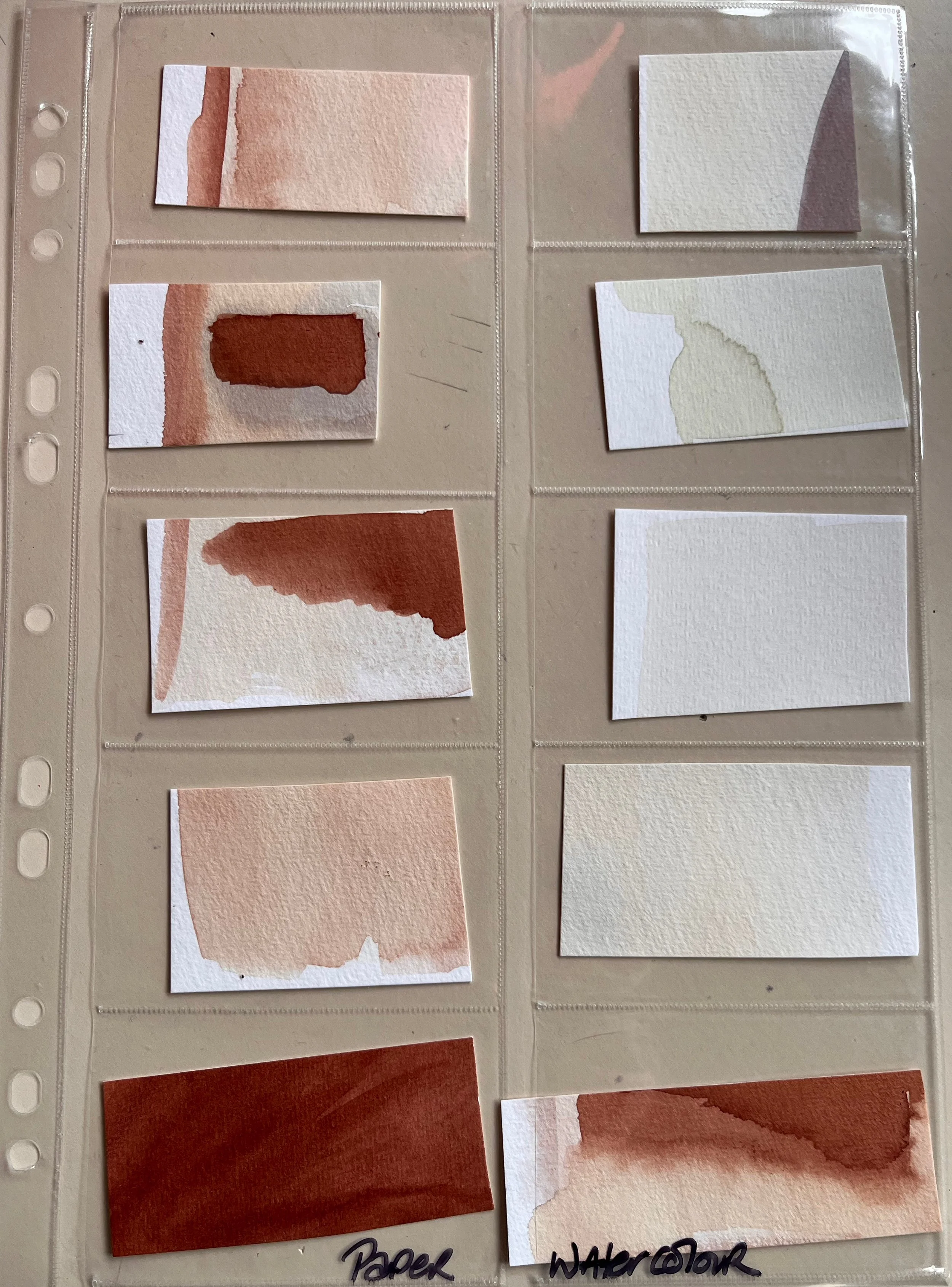
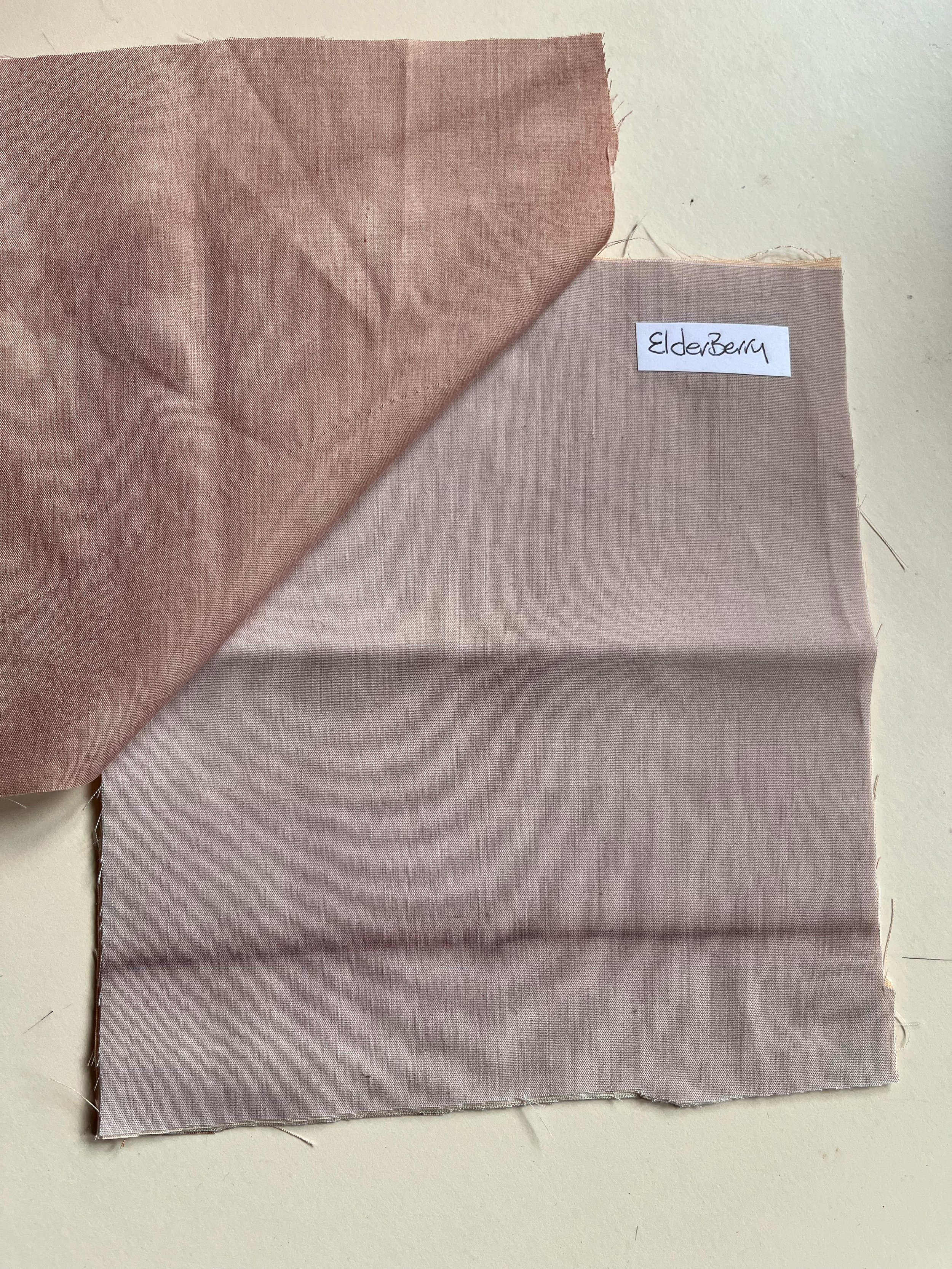
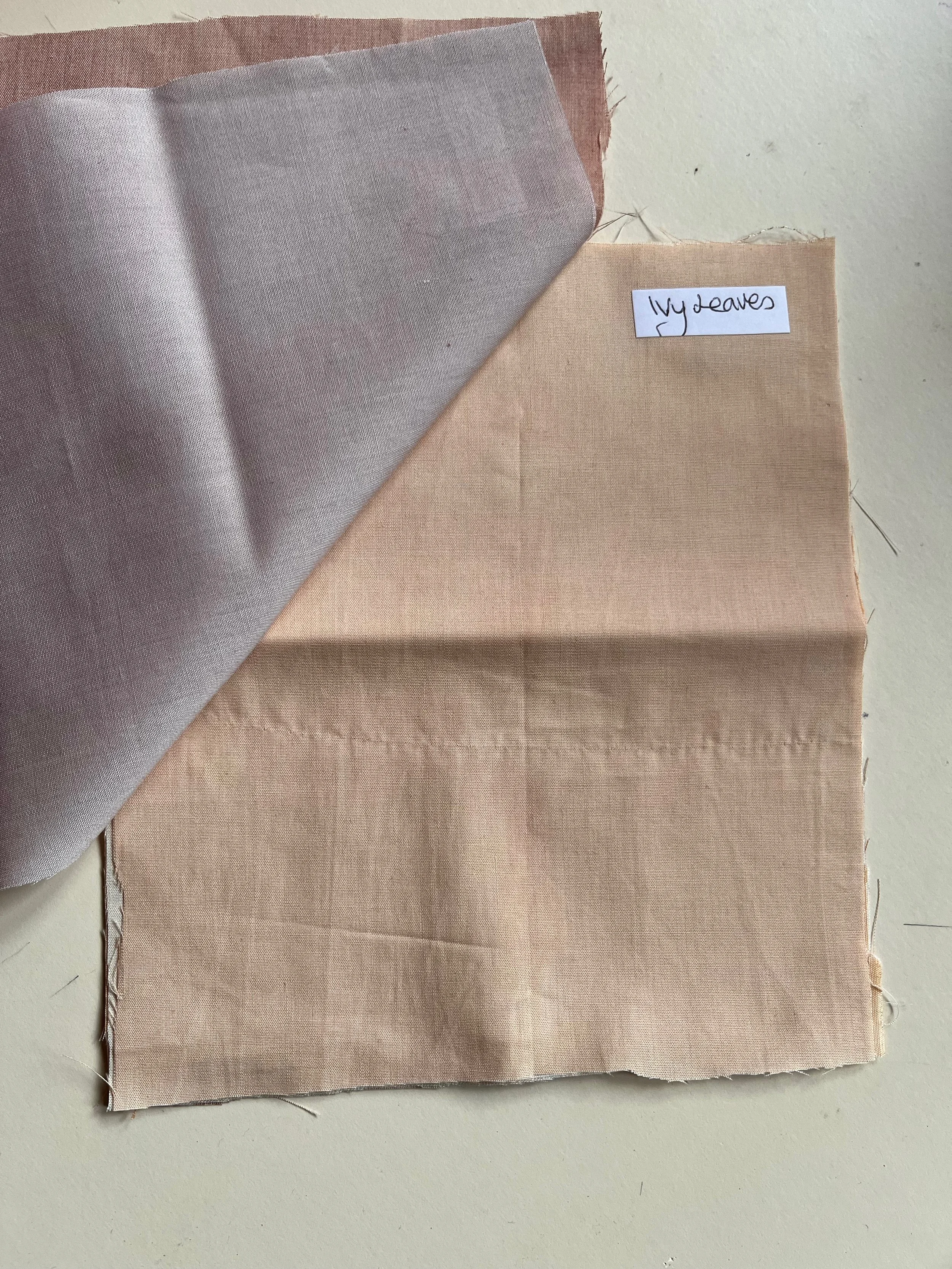
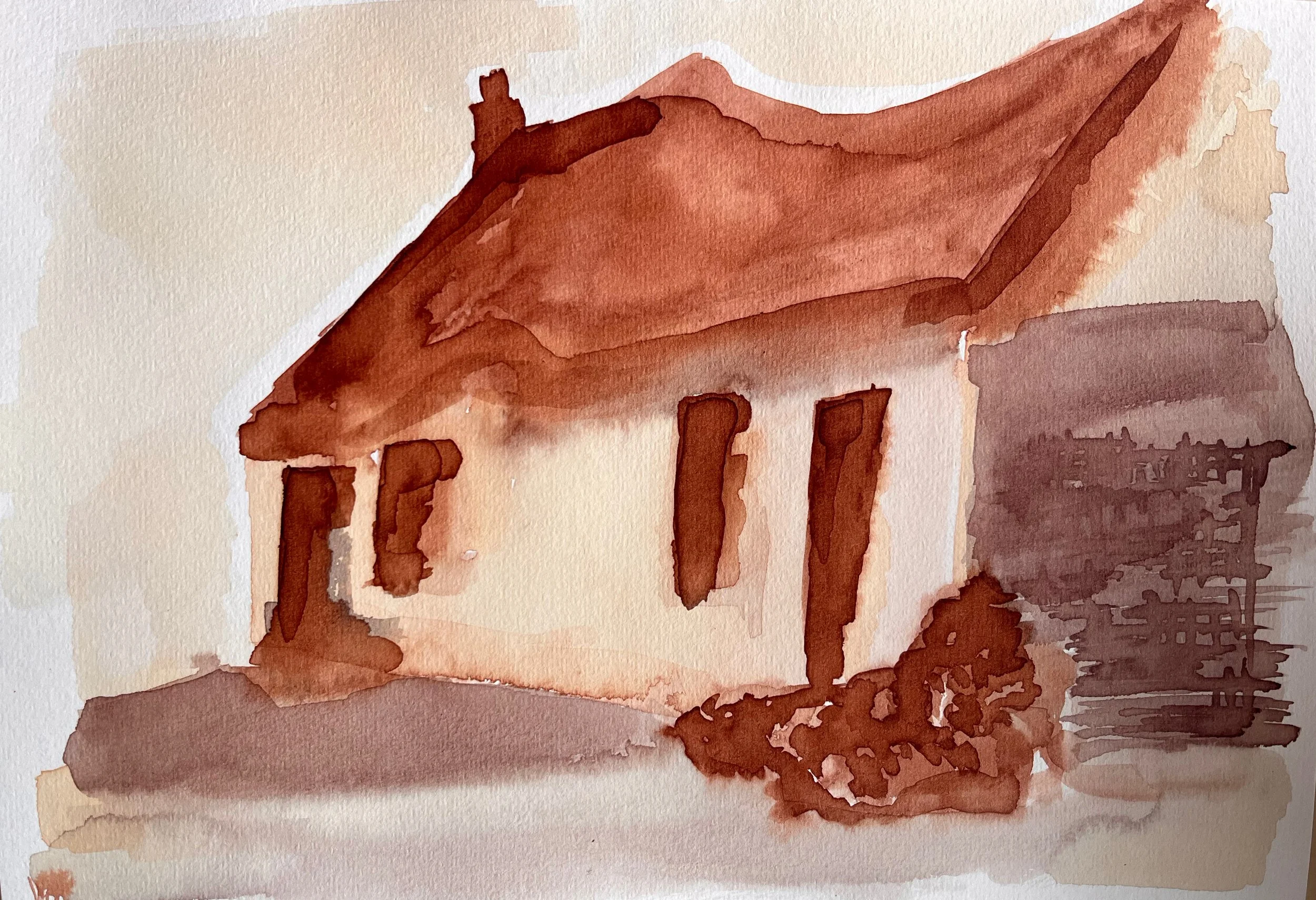
Painting with Avocado, Elderberry and Spruce Cone homemade inks
Connecting to my own place through ecology in art and using homemade resources and materials. November 2023
Which story am I part of?
Hope is… awakening every day… with Crizine Backhouse
As a seed, what may I become when planted in our garden? Choosing or being chosen, it is difficult to hear what chooses me… the twisted Hazel tree for its strength, its complexity, its fruitfulness, its perseverance…
nature takes back and gives hope for the future, the seed, what will it become… being part of the great turning.
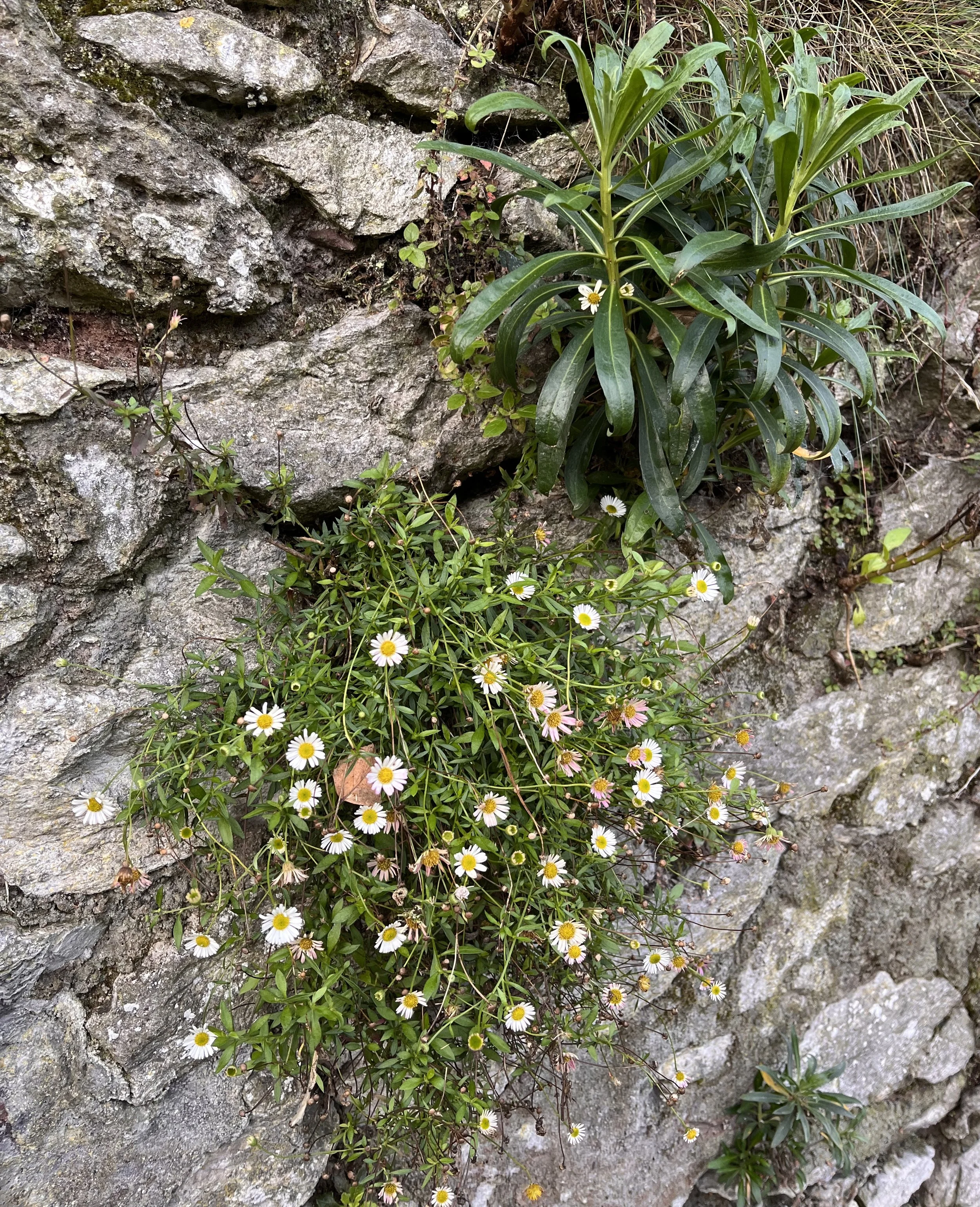
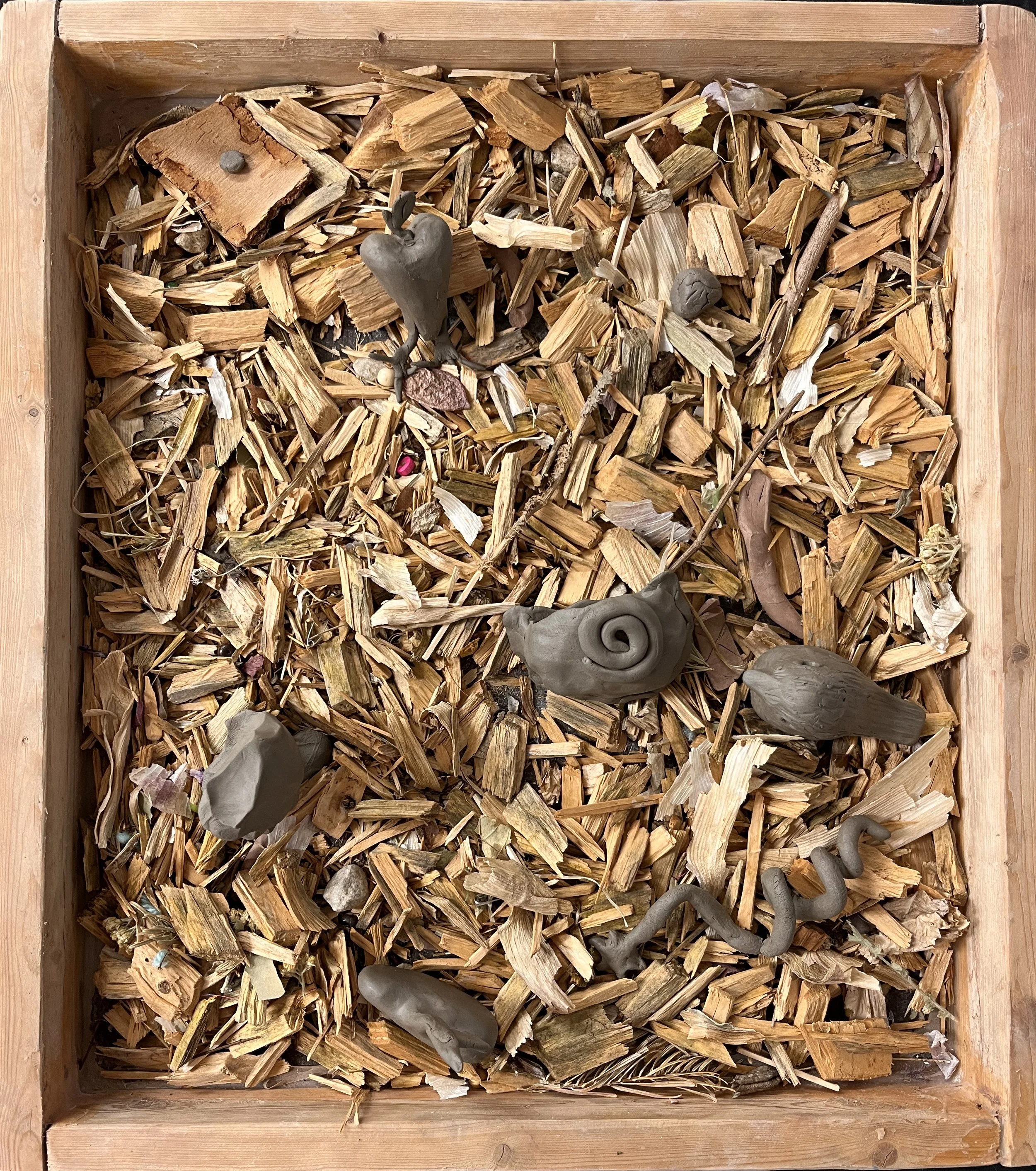

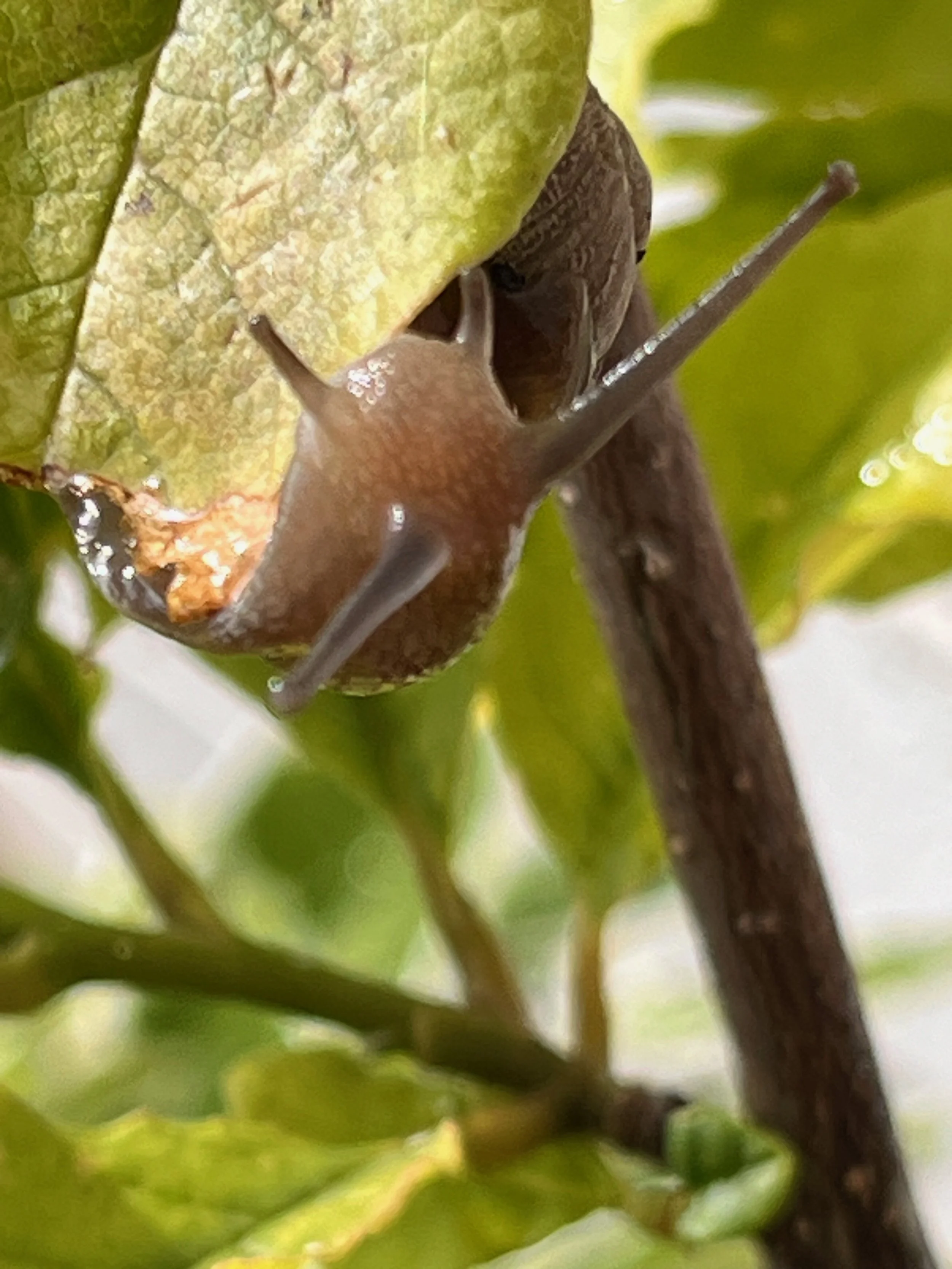
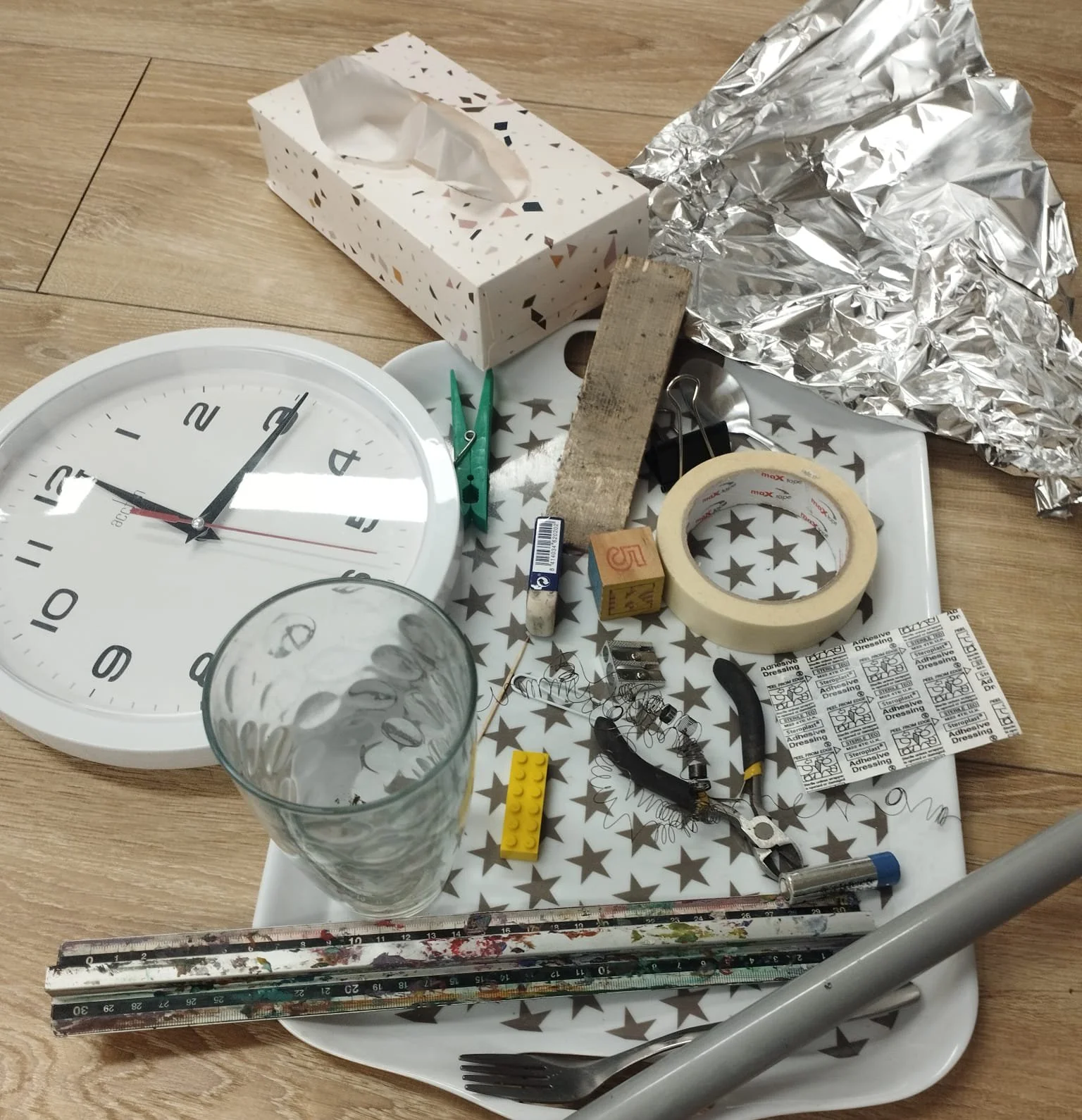
Understanding Biospheric Values and Active Hope with Crizine Backhouse
A love letter, 24th November 2023
To the bandage from the pea seed, reframing our pain… “I am harvesting, growing, sustaining”
While I may seem small and insignificant, I cannot grow without your love and affection. You need to wrap me tight and hold on as the darkness changes to light and the cold transitions to warmth.
I begin to heal, in the security of your protection, I conserve my energy, until the time comes to evolve, to spread root, and push past the withered shell into the earth.
Feeding on nature, I begin to grow, reaching for the light, the possibilities are endless. My strength returns, limits are boundless as I stretch up to the blue. I draw in the nutrients to give me strength, to fight disease, to stay healthy.
I am flowering, I am giving back to the bees and butterflies. My shoots are reaching out, holding on for support all around me as my flowers turn to pods, protection for the next generation.
Where are you now? Your protection healed and I am alive, but your sacrifice is not in vain. Whilst you became part of the earth, we created bountiful life together. As our pods fill with new peas and mature, they themselves will be harvested and become sustenance for future generations.
“Nature is the source of
all true knowledge”
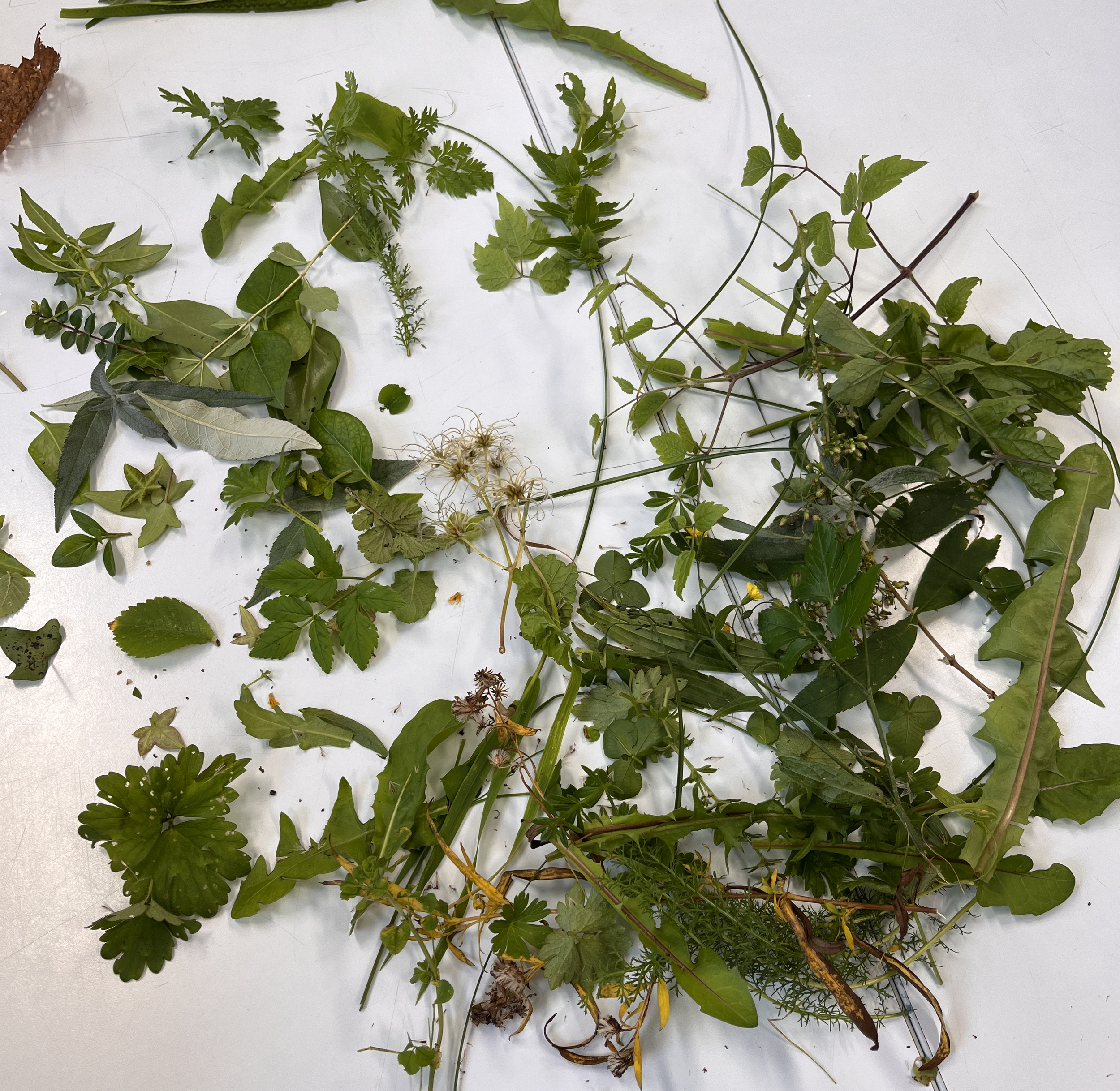

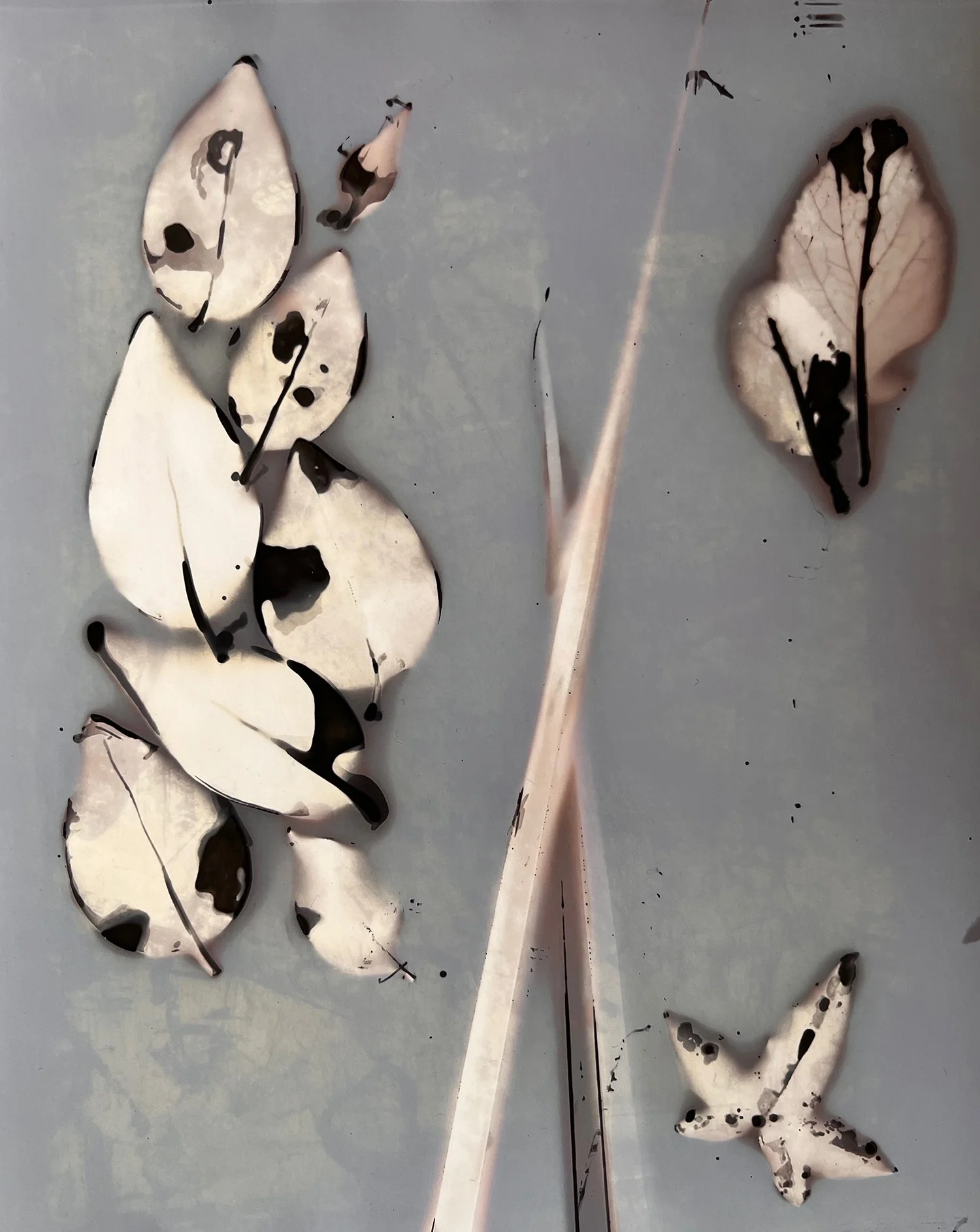
Phytogram print on photographic paper
Phytogram printing
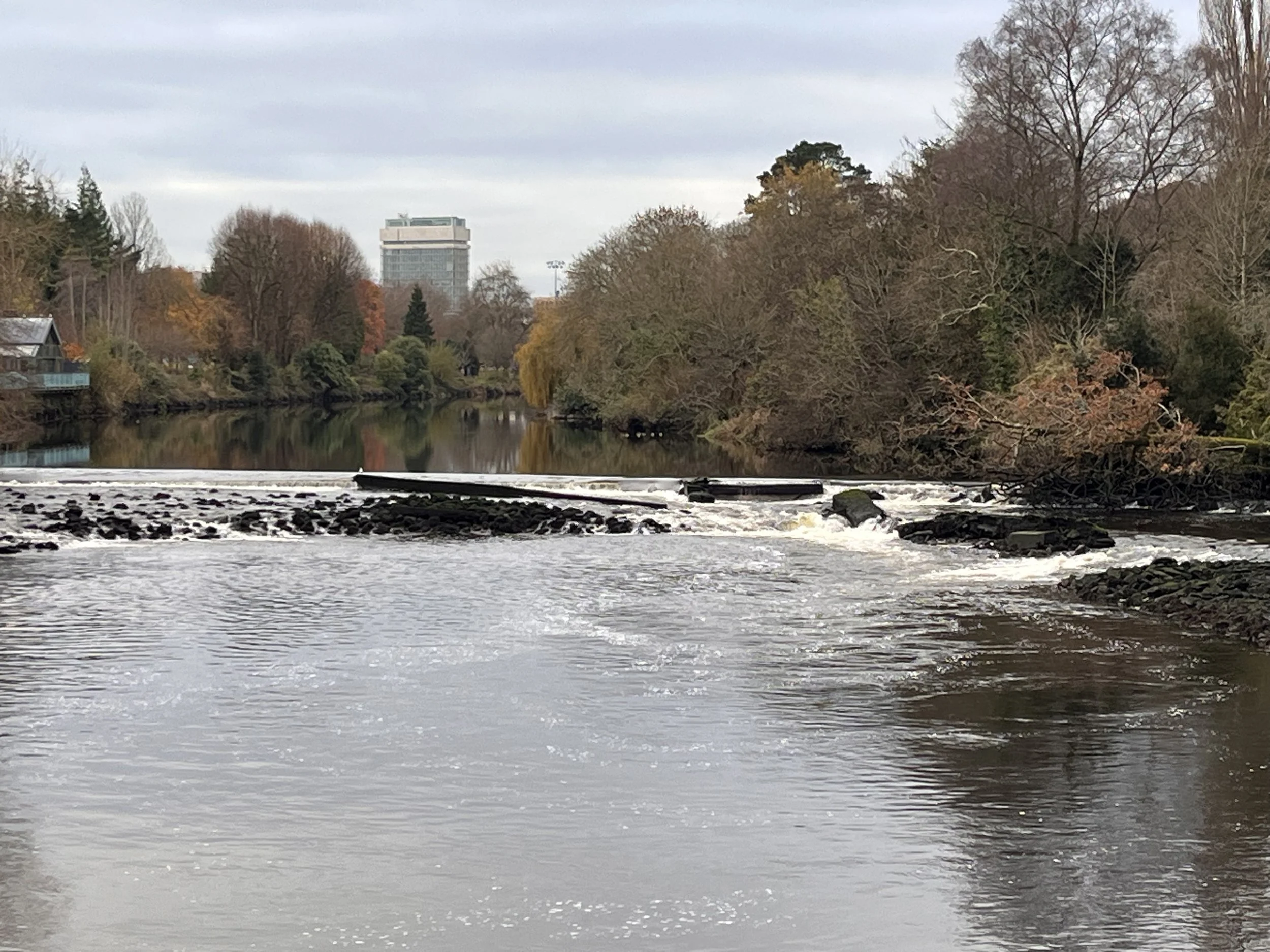
Sustainable foraging with Colette Lewis and the Eco Arts group, only collecting any excess of fresh green plant material, along the banks of the river Lee.
Releasing the natural phenols in the plants themselves by soaking them in a mixture of washing soda and vitamin c, before placing them directly onto photographic paper and unexposed film to create a unique video and printed image.
Notice the shapes and the veins through the leaves. The grasses and leaves left their imprints on the paper, exposed by daylight and captured forever.
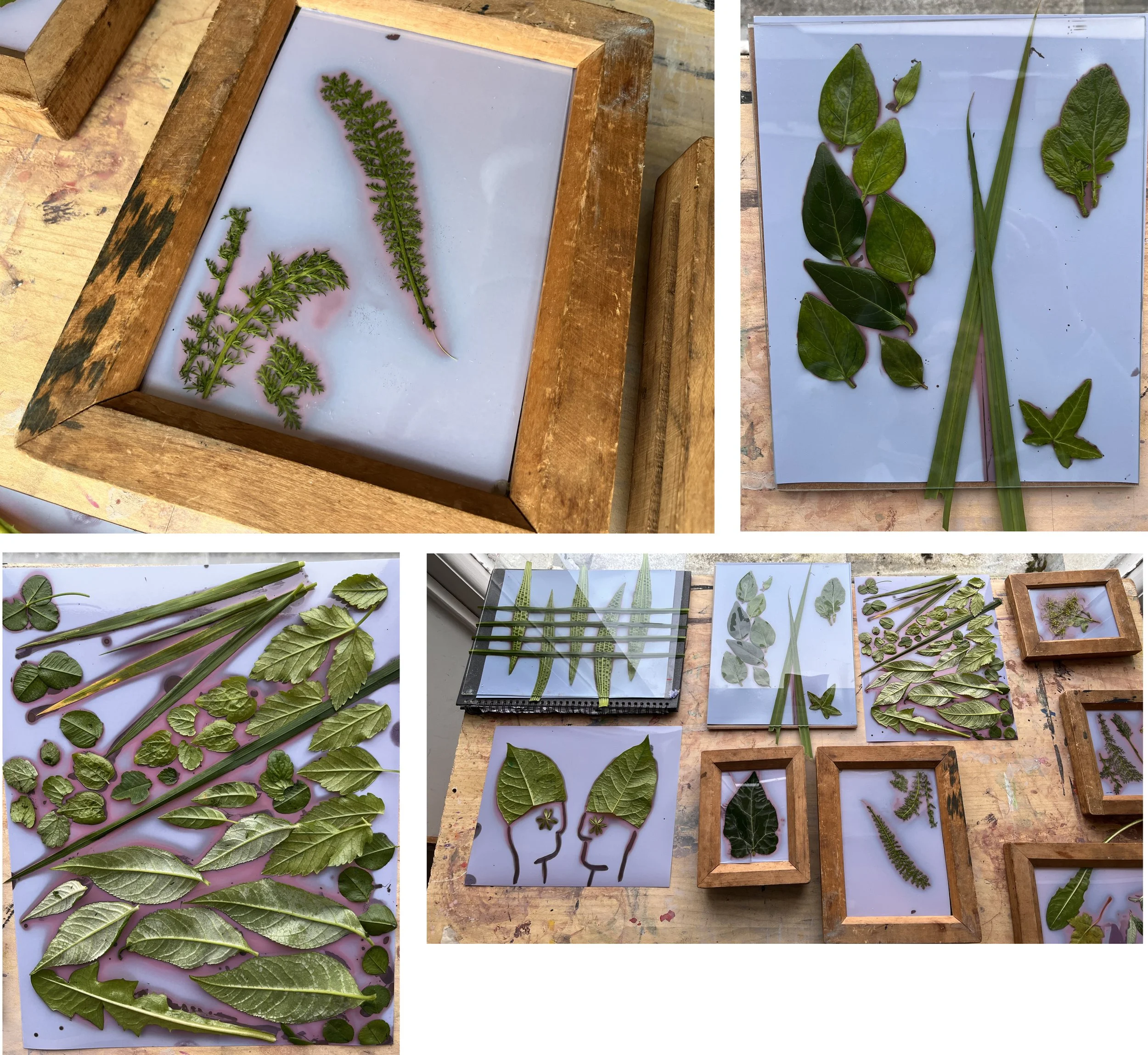
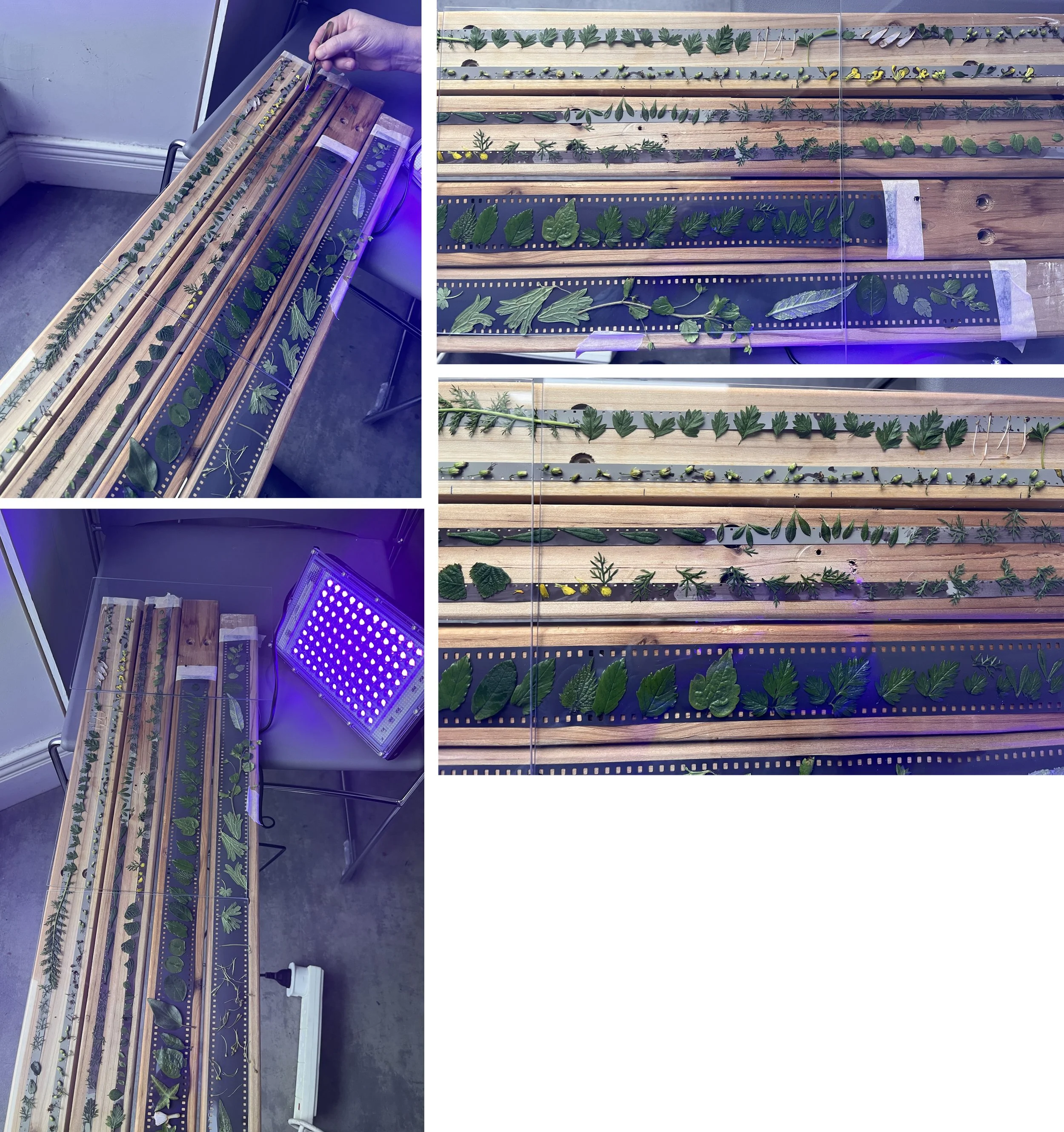
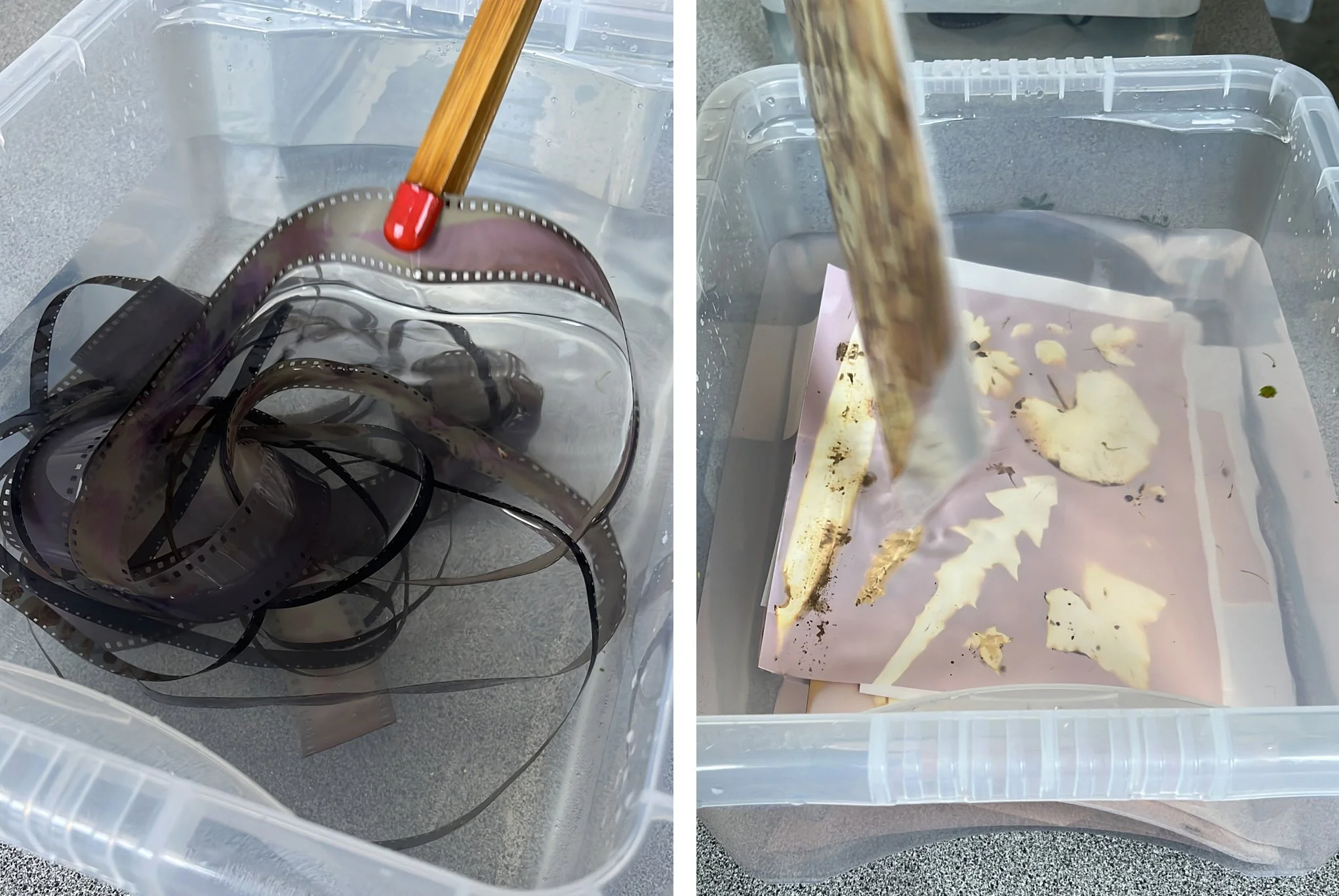
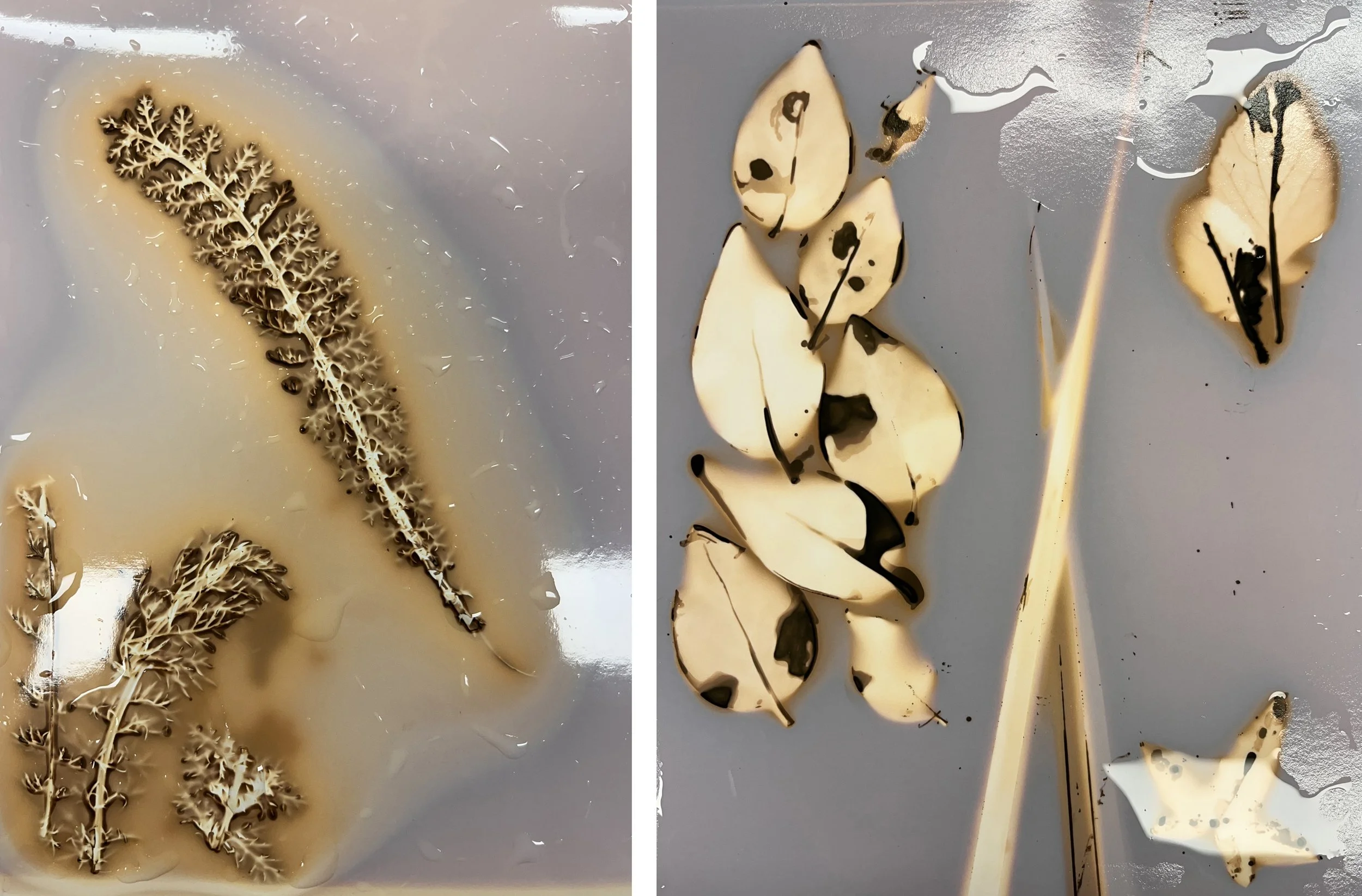
Eco Arts group phytogram collective film, printed onto super 8mm, spliced together and digitised by Colette Lewis.
Our collective film is a collaboration with the Eco Arts course group, created together by positioning the organic material onto super 8mm and 35mm film, covered by glass and exposed to UV light for several hours. The 35mm film was then cropped, spliced, and collated before scanning by Colette Lewis to be digitised as our collective film.
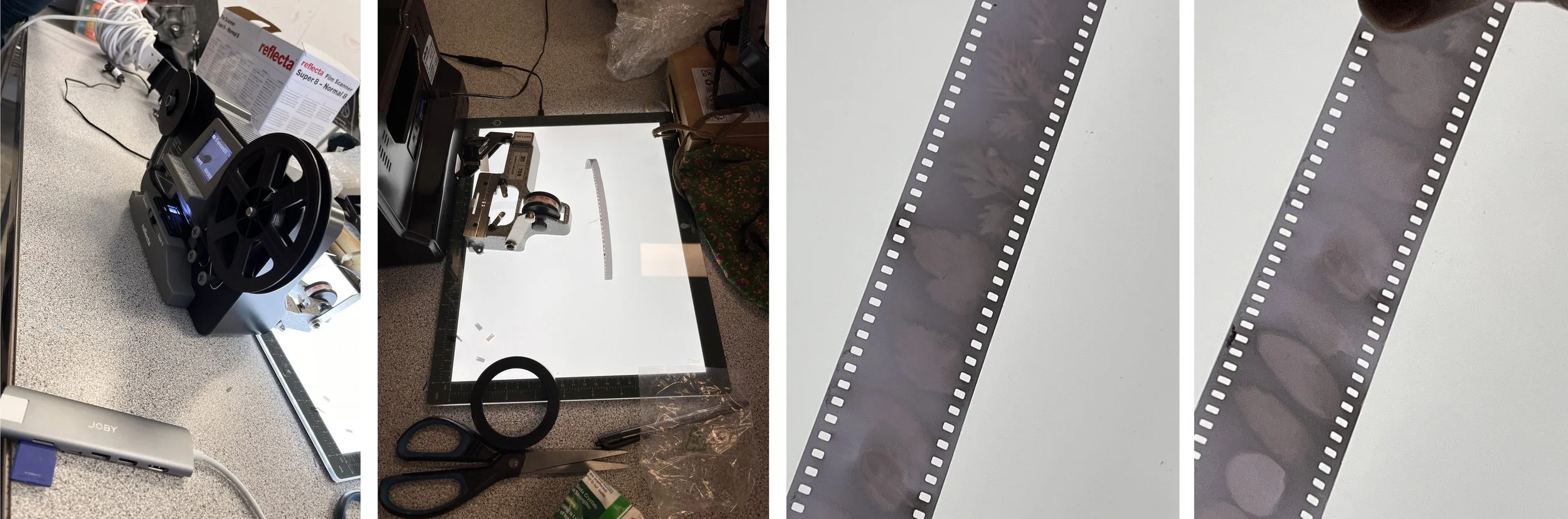
Splicing and digitising the 8mm film | Exposed 35mm negatives with plant phenols
The sun and the moon
Eco printing On fabric and paper, with Ashleigh Ellis
Using the print to make a notebook, capturing nature’s colour palette.
Silk and flannel cotton was pre-treated and prepared in an iron wash by Ashleigh Ellis to activate the natural tannins, and provided a taste of what eco printing involves.
By extracting the tannins, leaves can be printed onto different surfaces creating designs and variations in many colours. Choosing leaves and placing them in a pattern on the textiles, wrapping up the material with greaseproof paper and tying tightly prior to steaming for nearly two hours.
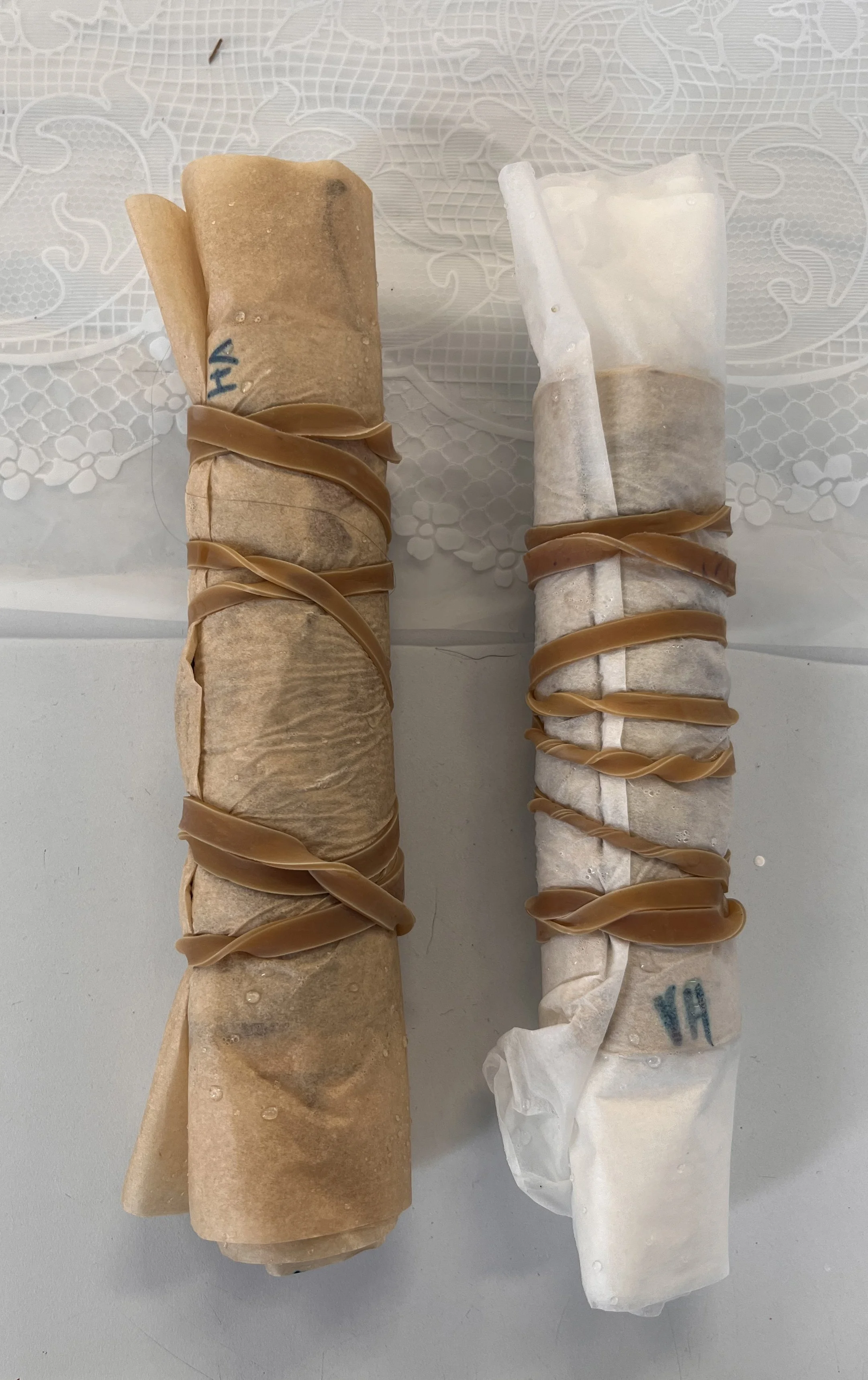
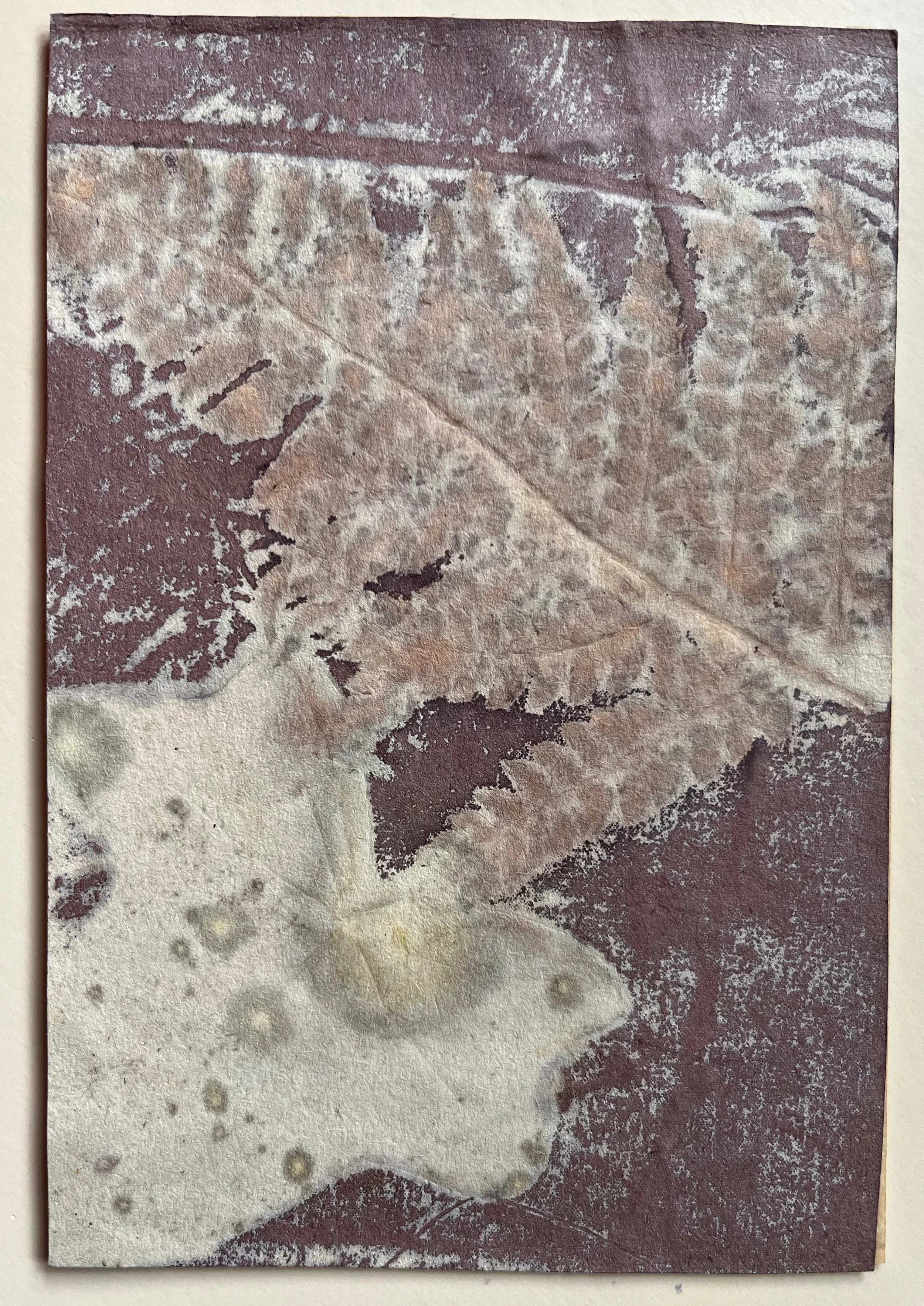
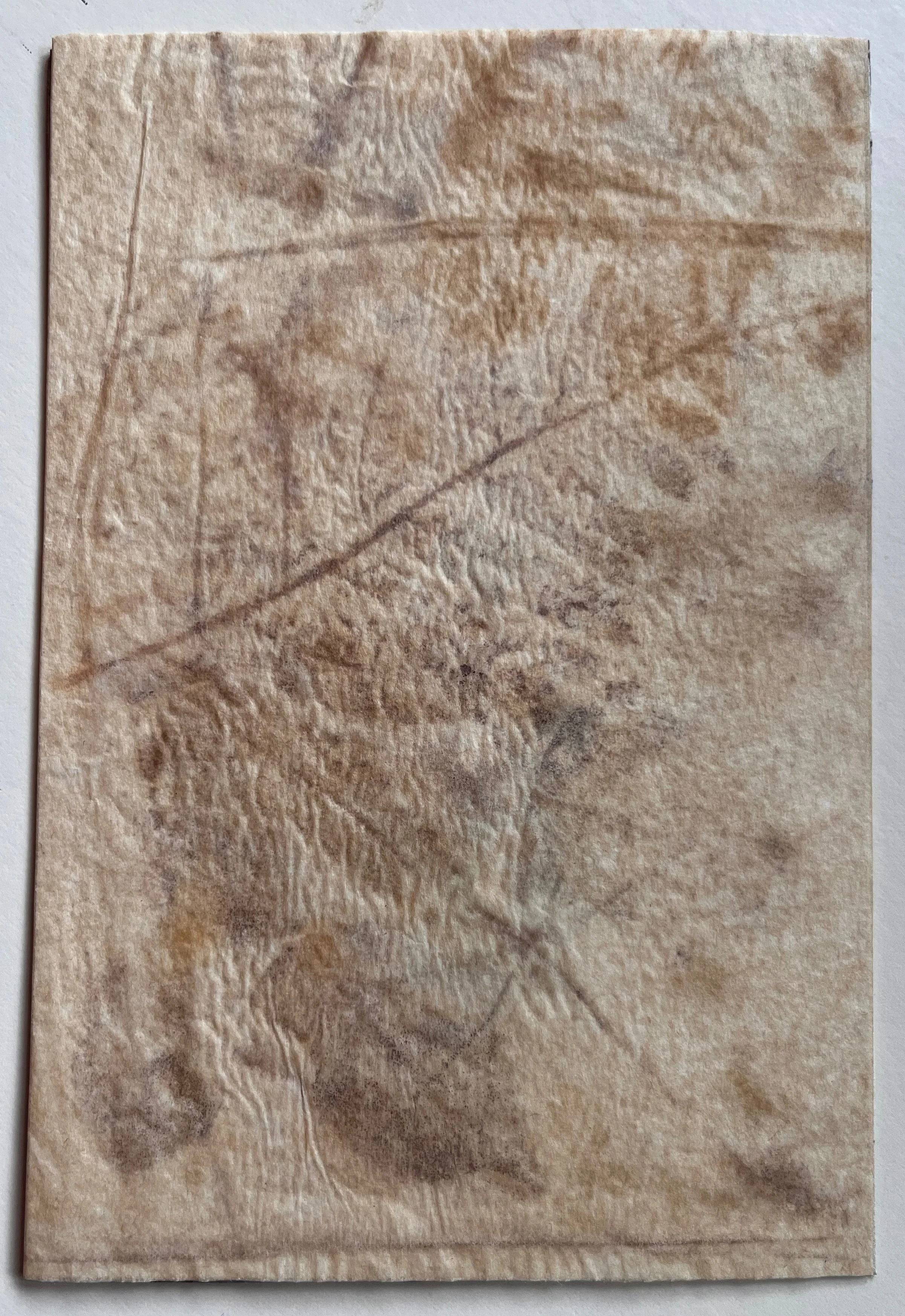
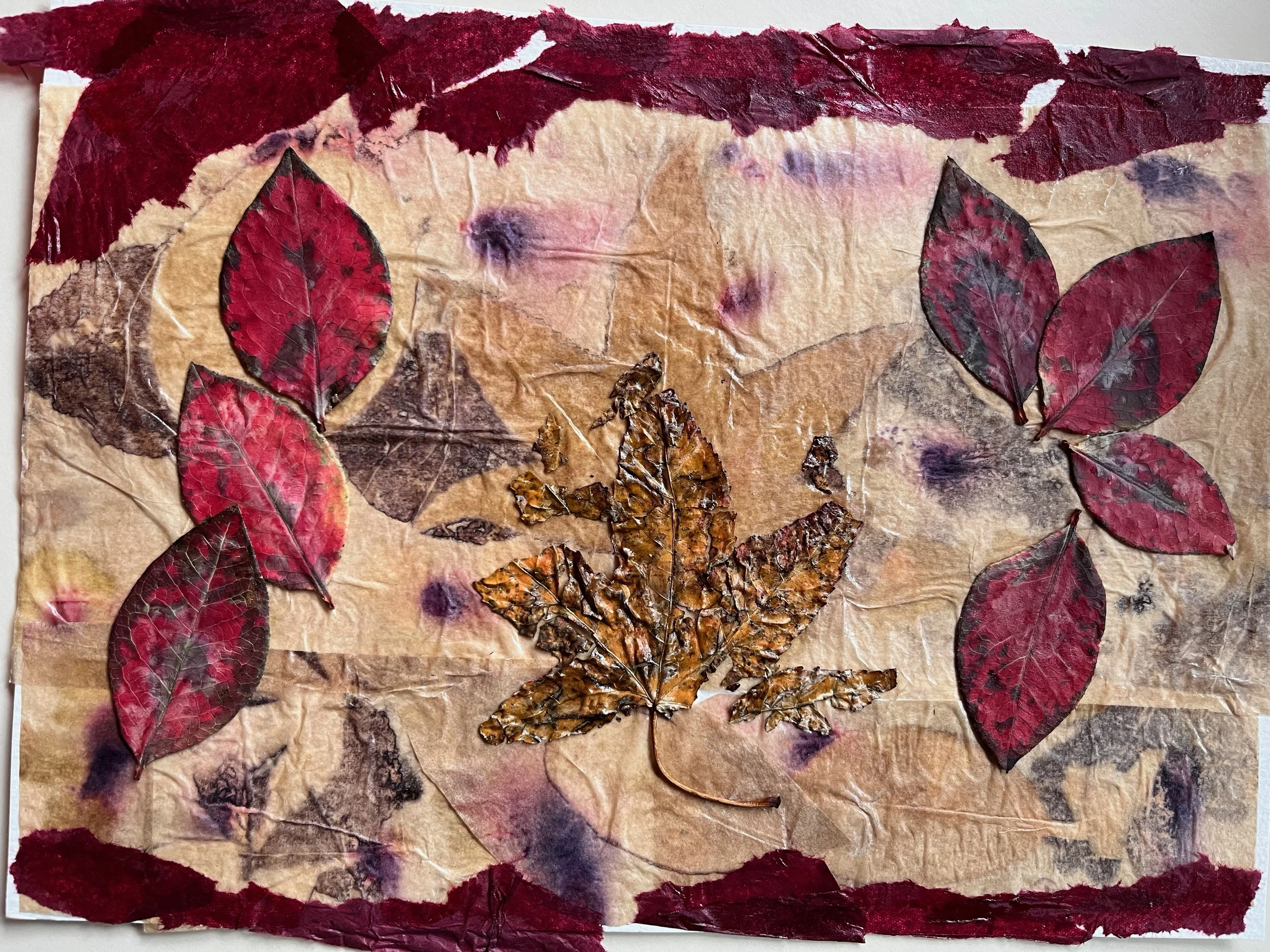
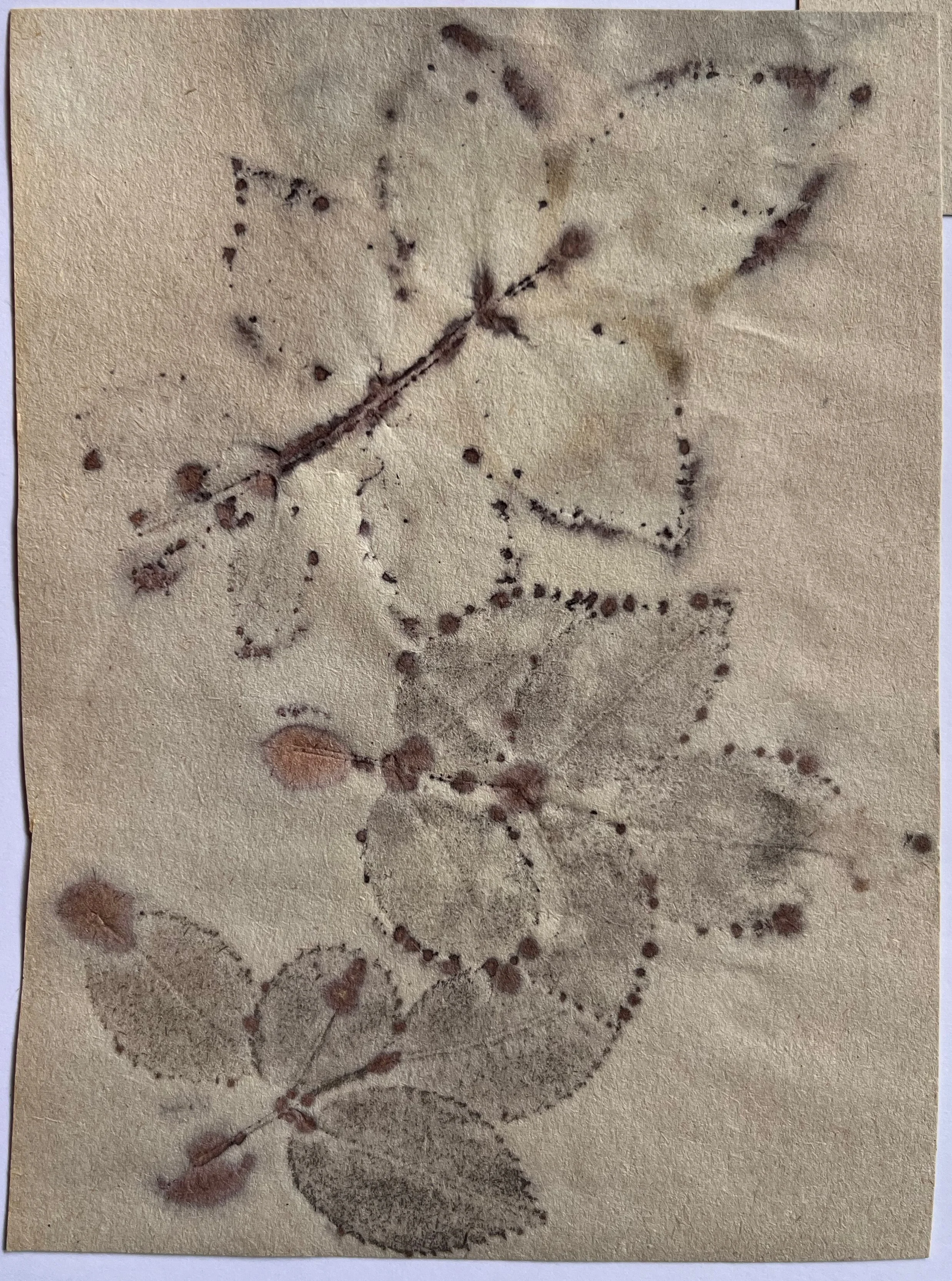
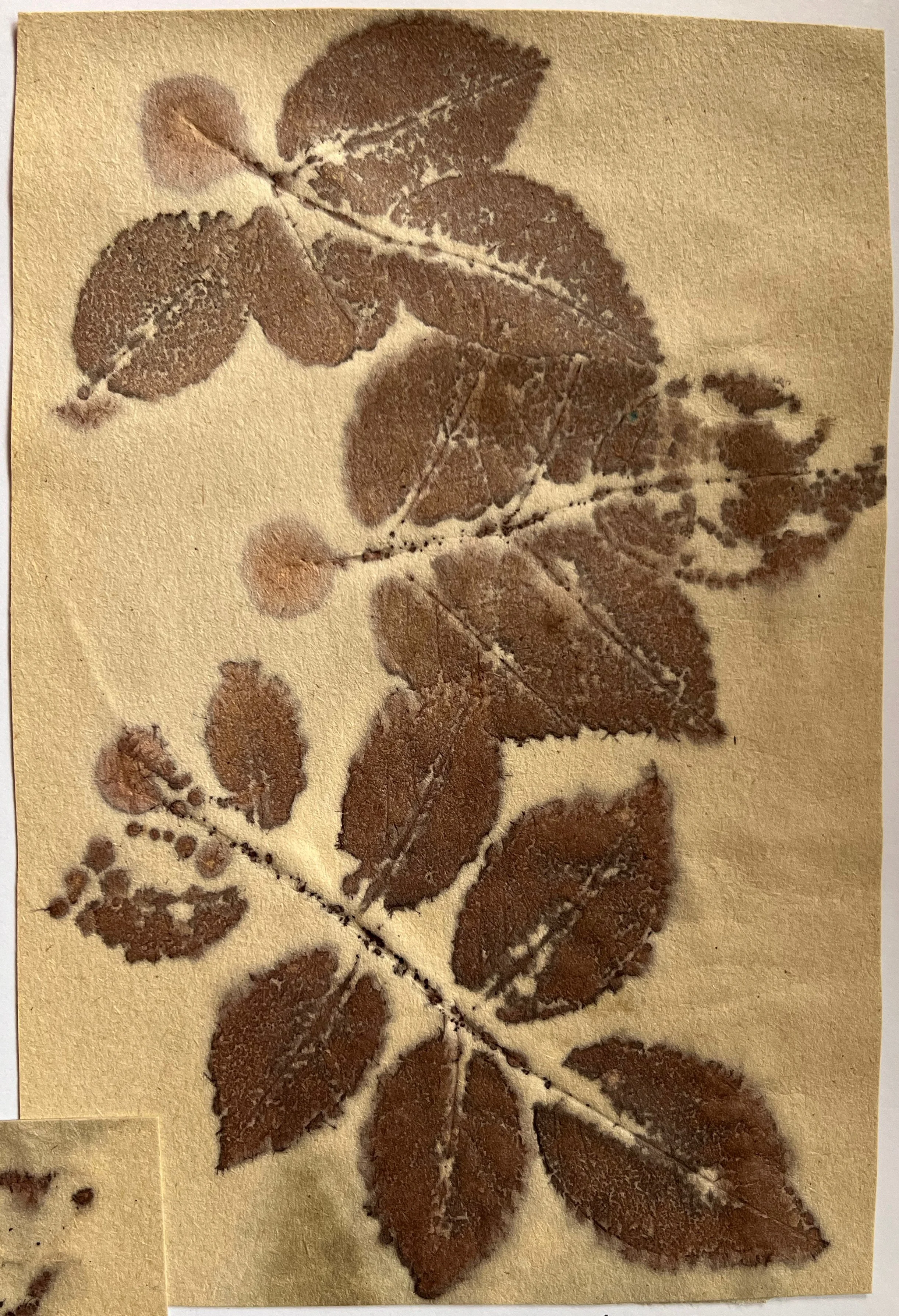
From two different sides of one leaf, the sun and the moon side, there is darkness and light, day and night, mirror images, reflections and opposites in nature.
We unwrapped nature’s design, imprinted onto fabrics that after washed and dried on 28th November 2023 can become anything…
Sound art alternative
We recorded several frequencies of tones and sounds from a selection of tuning forks at our workshop with Anne Marie Deacy. These tones, recorded with the MA group, provided me with an alternative sound to what this natural environment is sharing with us. Instead of wind, birdsong, and background noise, it is now just tone instead — focussing on visual nature — communicating simplicity.
Painting a river: our Eco Arts journey
Compilation of exercises with Jess Marbe and Karen Webster
22nd March 2024
Creating a visual of my journey along the Eco Arts path since initiation in September 2023 to today, using inks and oil pastels to create a single image, a metaphor from the start to the finish. What have I experienced to date? What am I expecting to achieve?
There was a sheer volume of information flooding into a narrow space, overflowing and absorbing, pouring into our learning, slowing and spreading out, unknown where it will take us, but becoming steady.
Our Special Places
Memories of childhood: adventure; fantasy and imagination; animal allies; maps and paths; special places; small worlds; hunting and gathering.
An exercise with Karen Webster from the book “Children's Special Places: Exploring the Role of Forts, Dens, and Bush Houses in Middle Childhood” by David Sobel, an environmental educator and author.
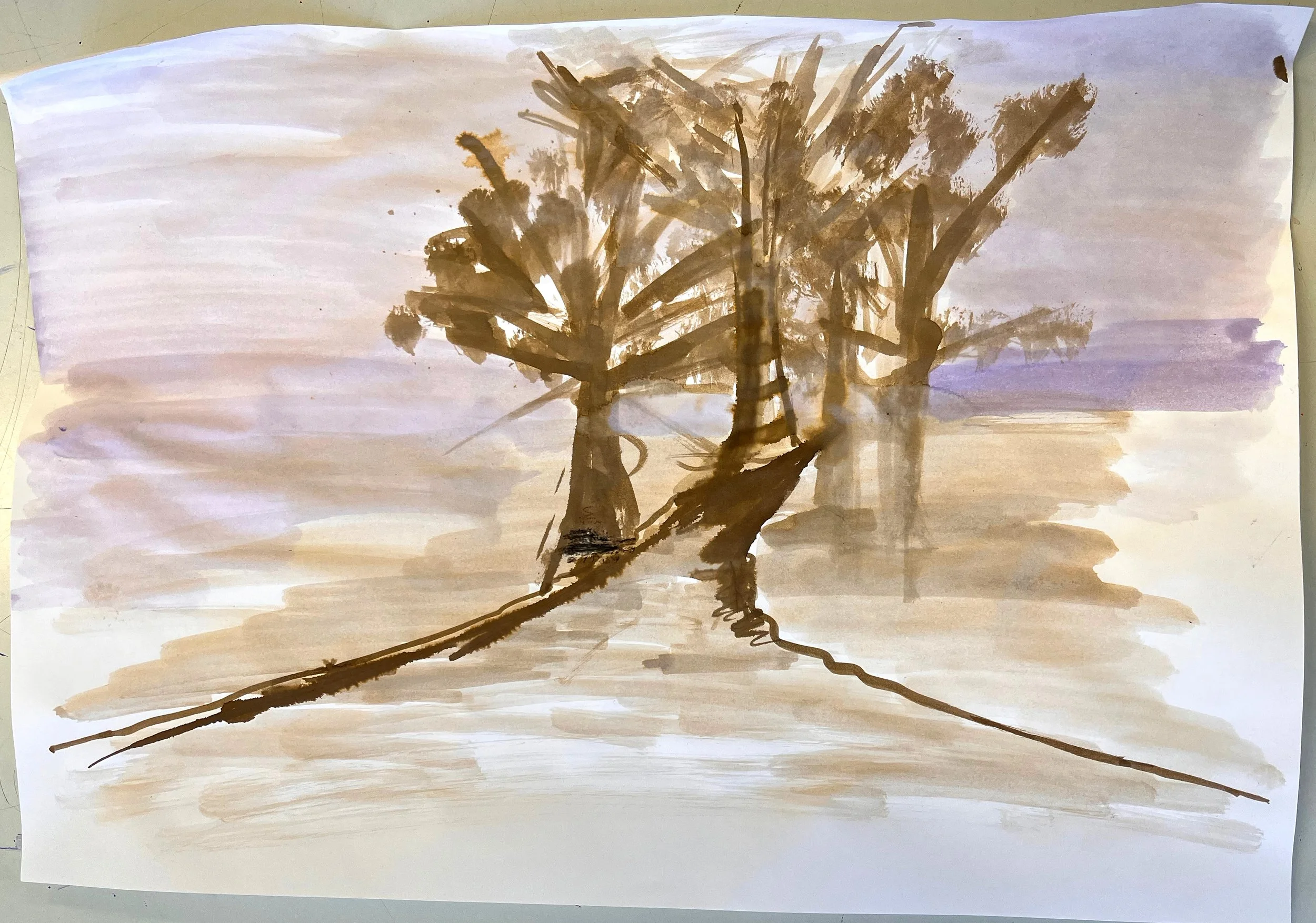
Remembering
Reflecting on our individual sense of place, a childhood memory of special places. For me it
was the Ounavarra Woods through the gates of the walled garden beside the glasshouses, where my grandfather worked, in County Wexford.
Ecological art in education
Working together to communicate. Being conscious of place and aware of leaving little trace.
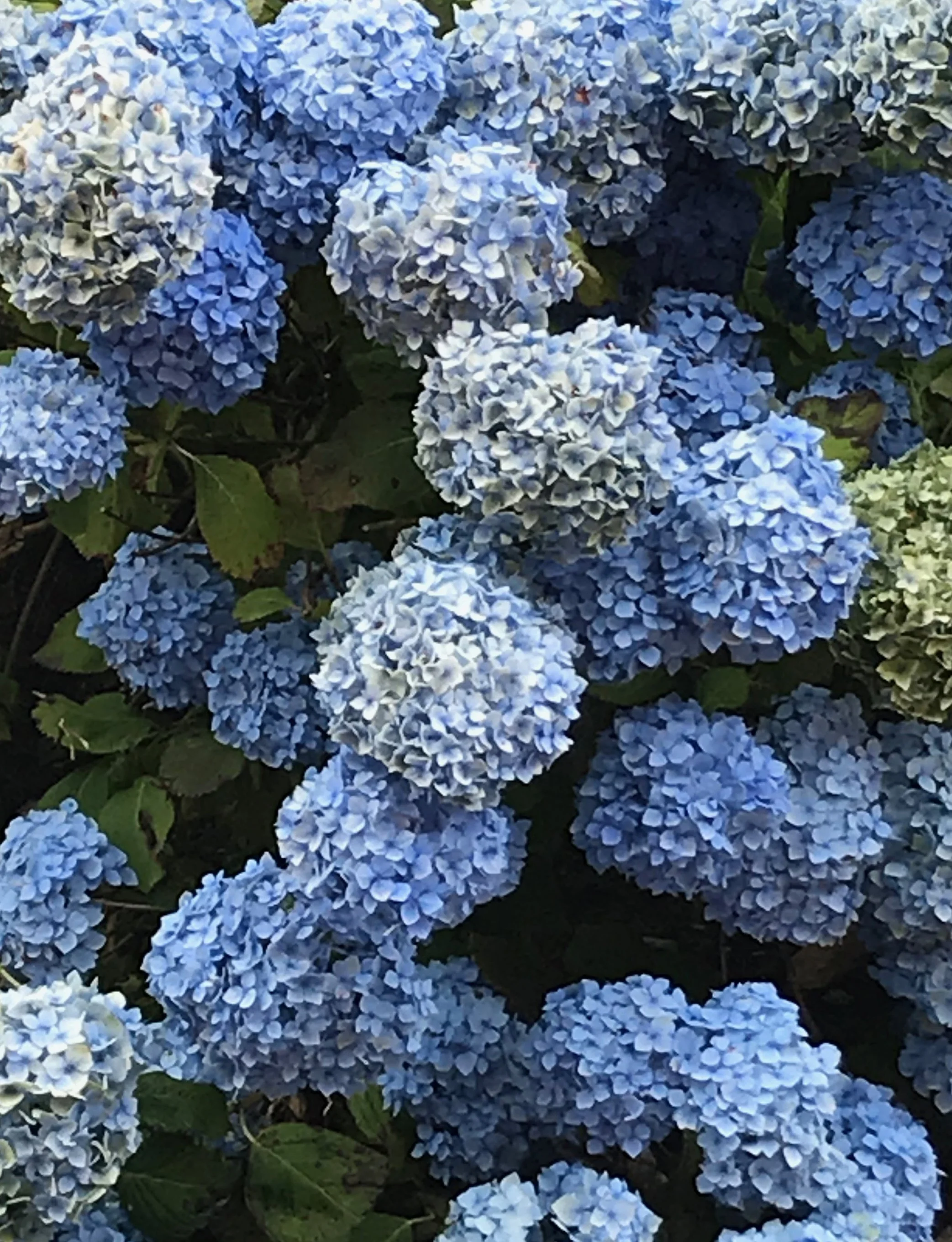
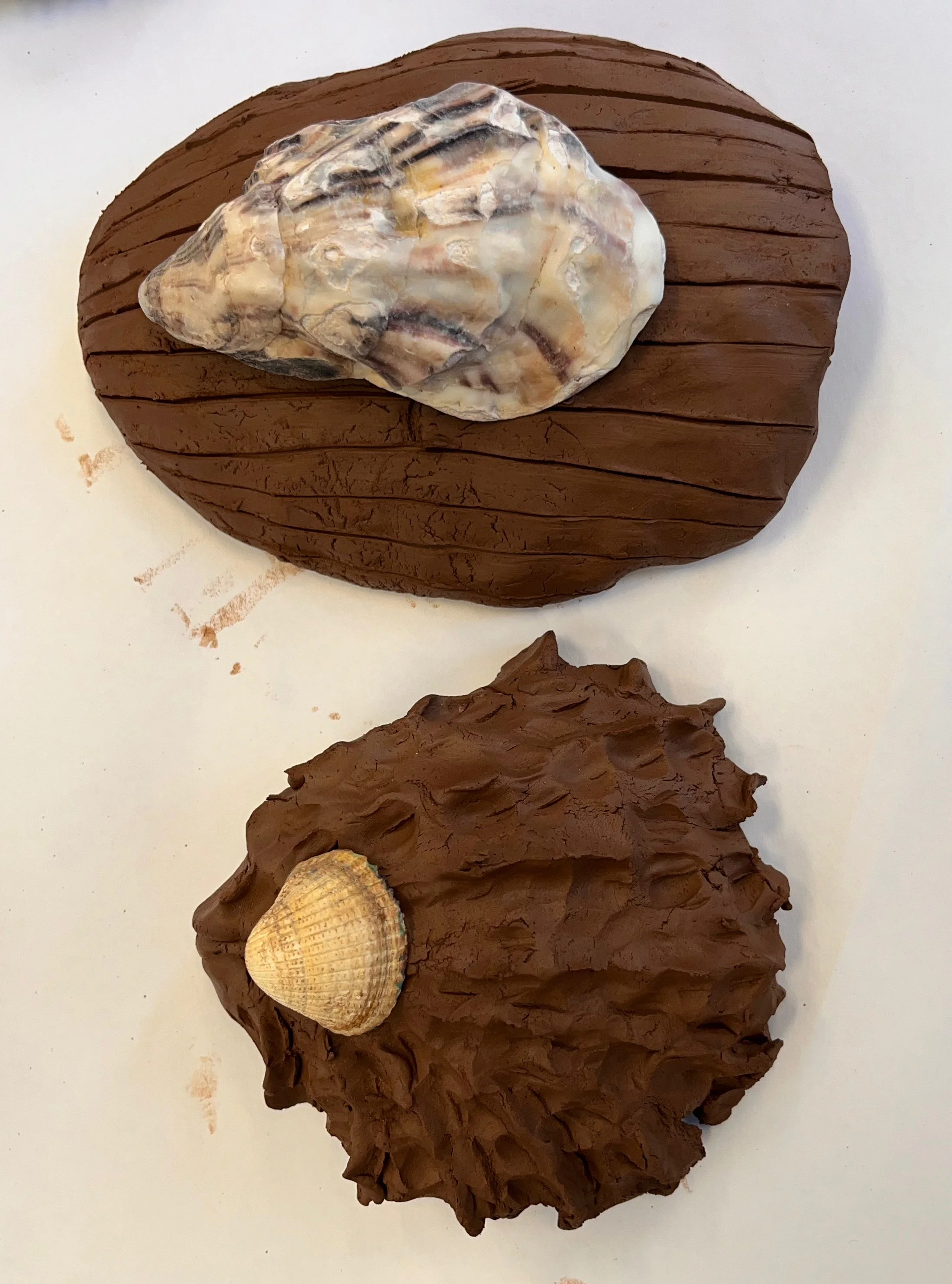

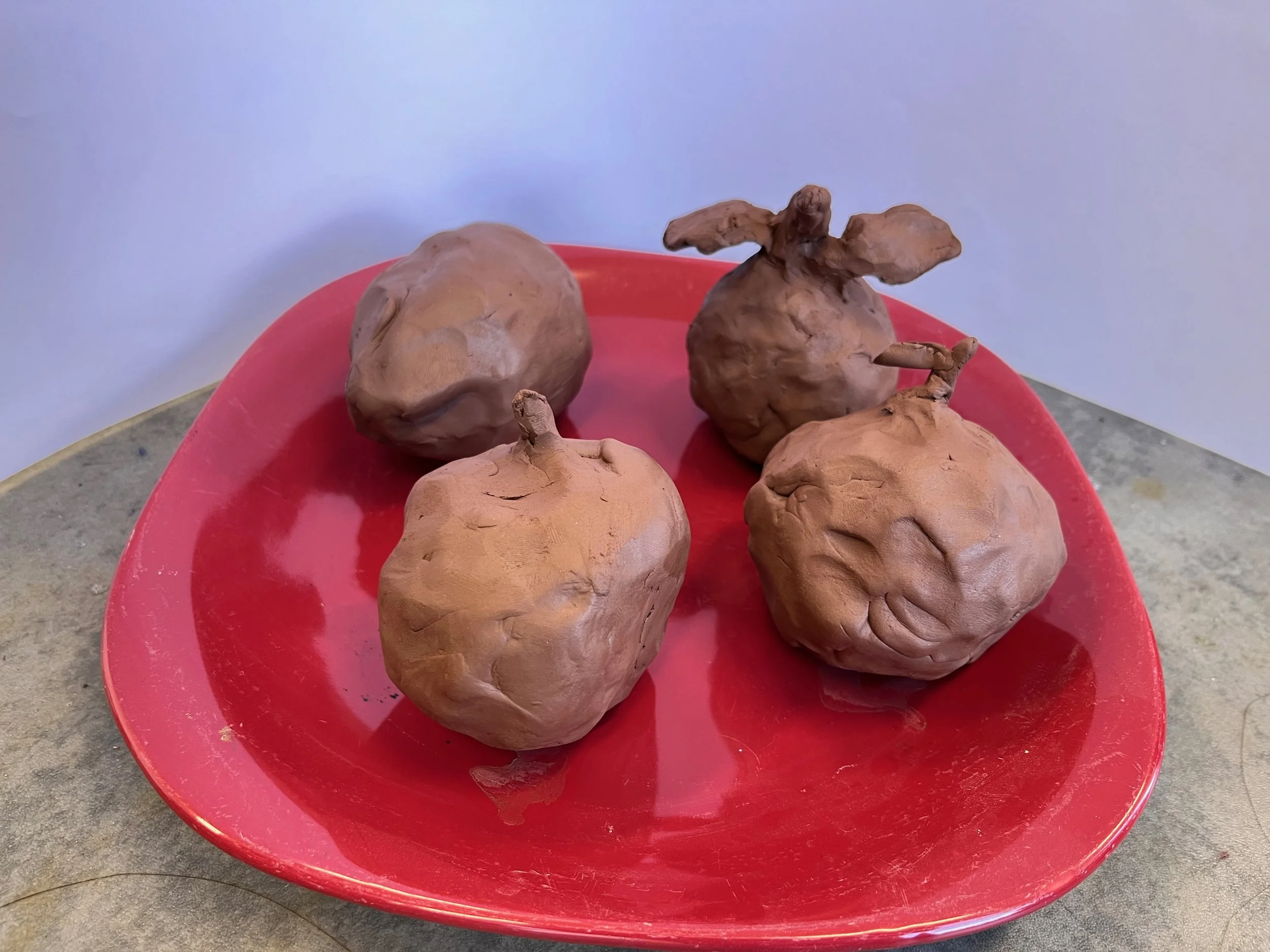
Eco Art printing with Clay and natural materials
Printing process on clay
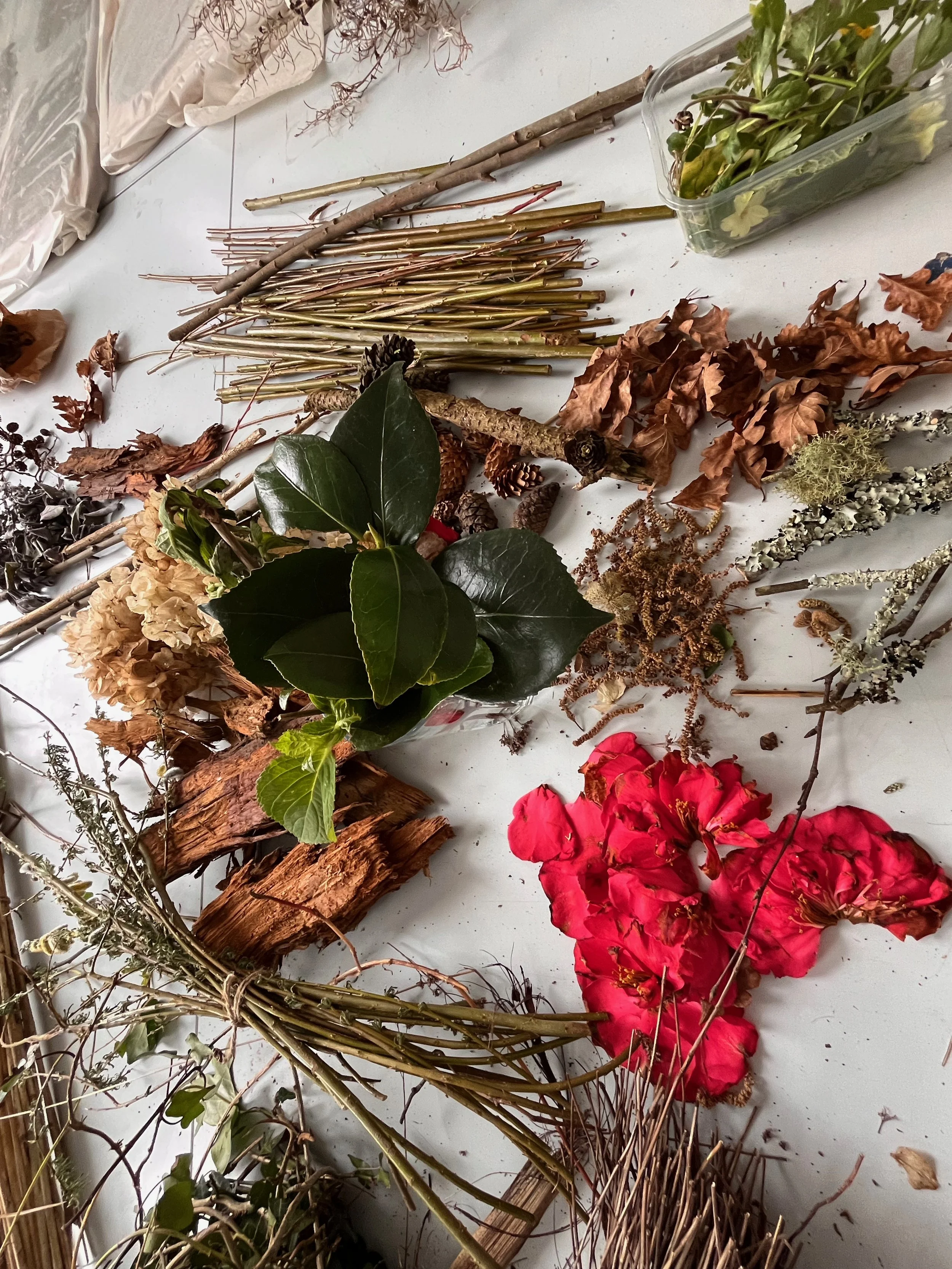
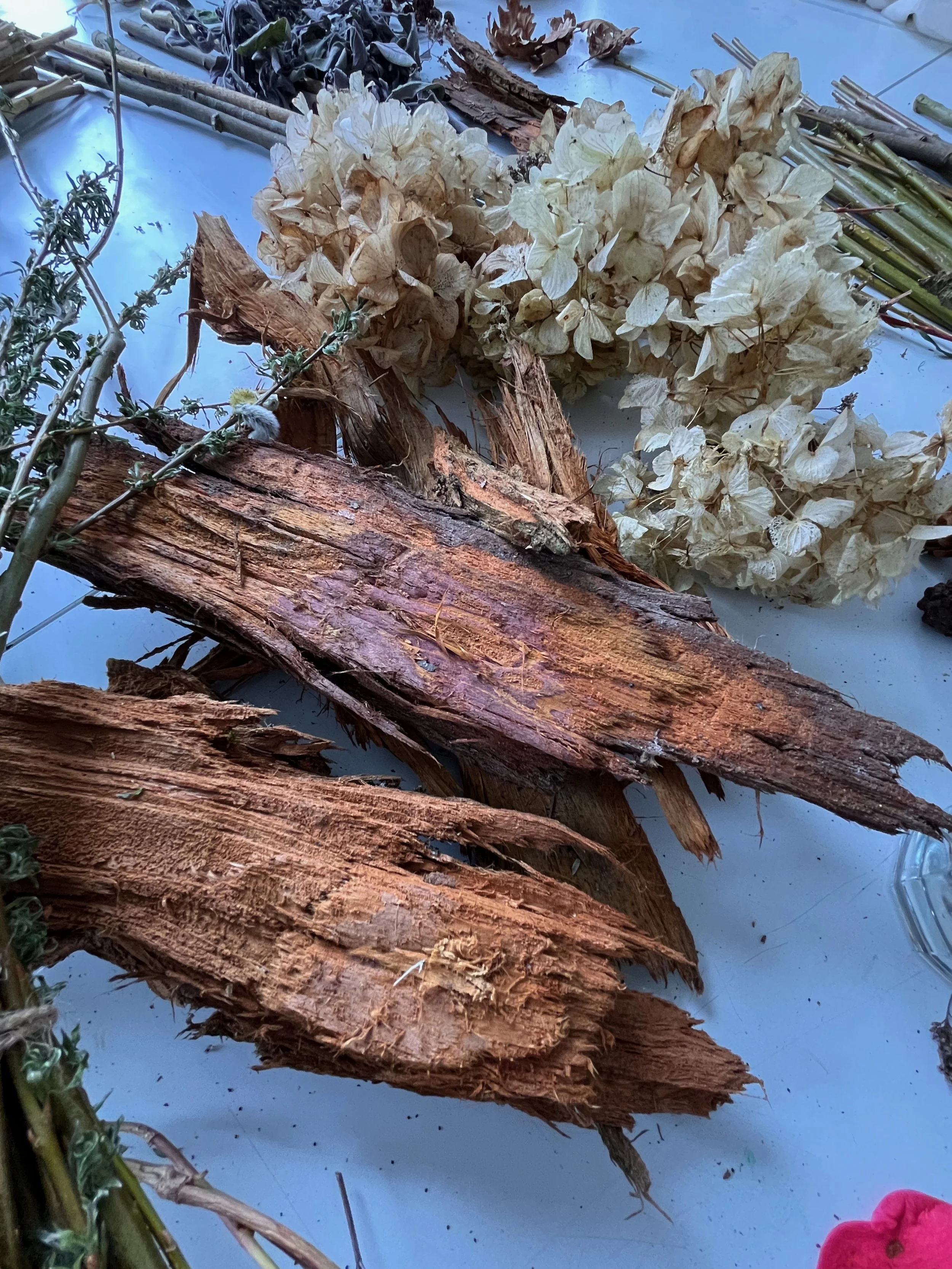
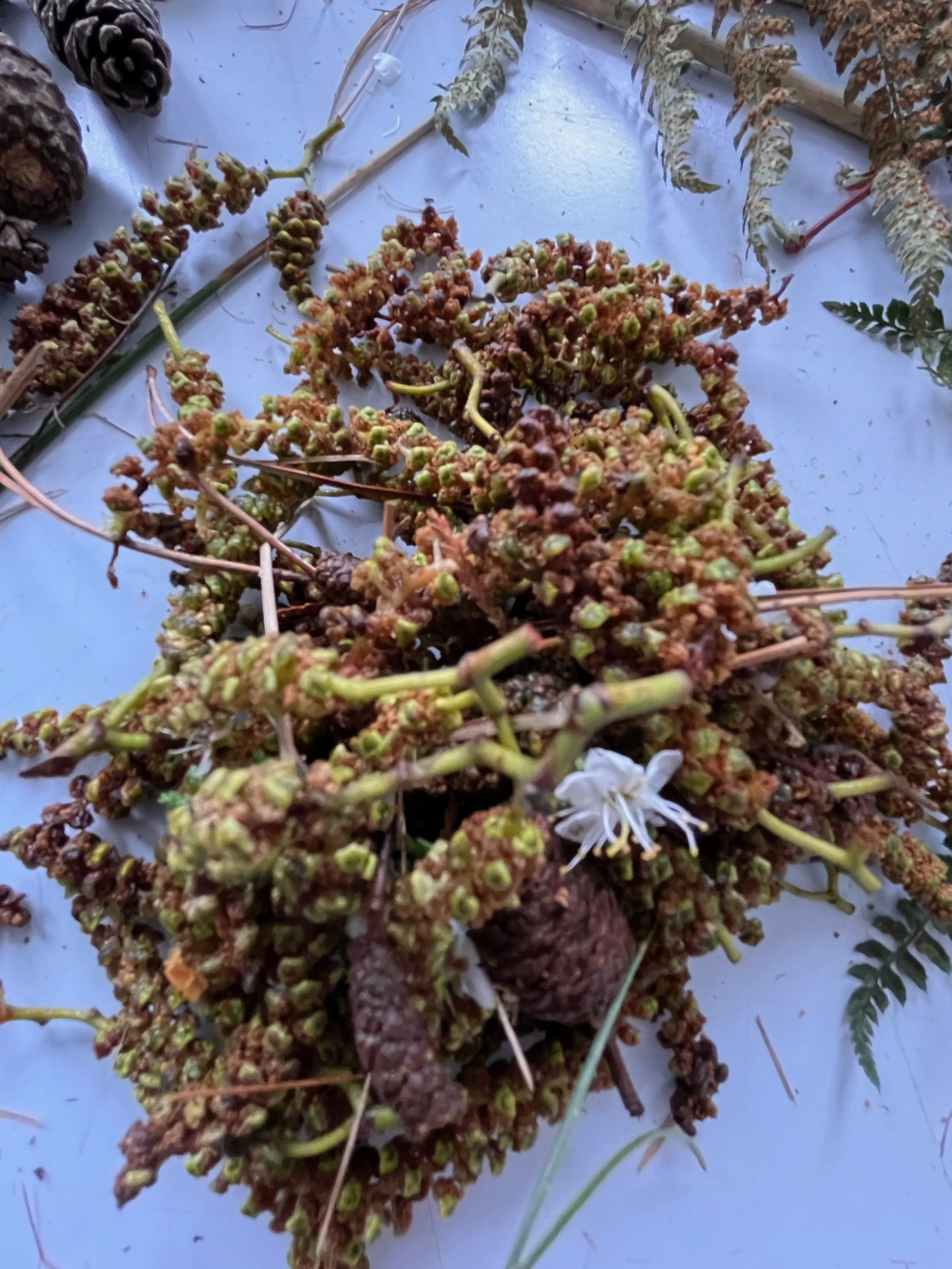
With Karen Webster, we rolled out slabs of clay and left them overnight, covered, to firm up before creating impressions. We gathered our selection of dried or fresh natural materials responsibly and respectfully to the environment. Upon selecting the material, we placed a plant onto and rolled it into the clay to make an impression. Once we removed the material we then rolled on some water-based Lino ink or poster paints. By pressing paper on top of the ink we created our prints, and then left to dry. The clay was recycled by scraping off the ink and wiping the clay clean with a damp cloth before resealing in the bag.
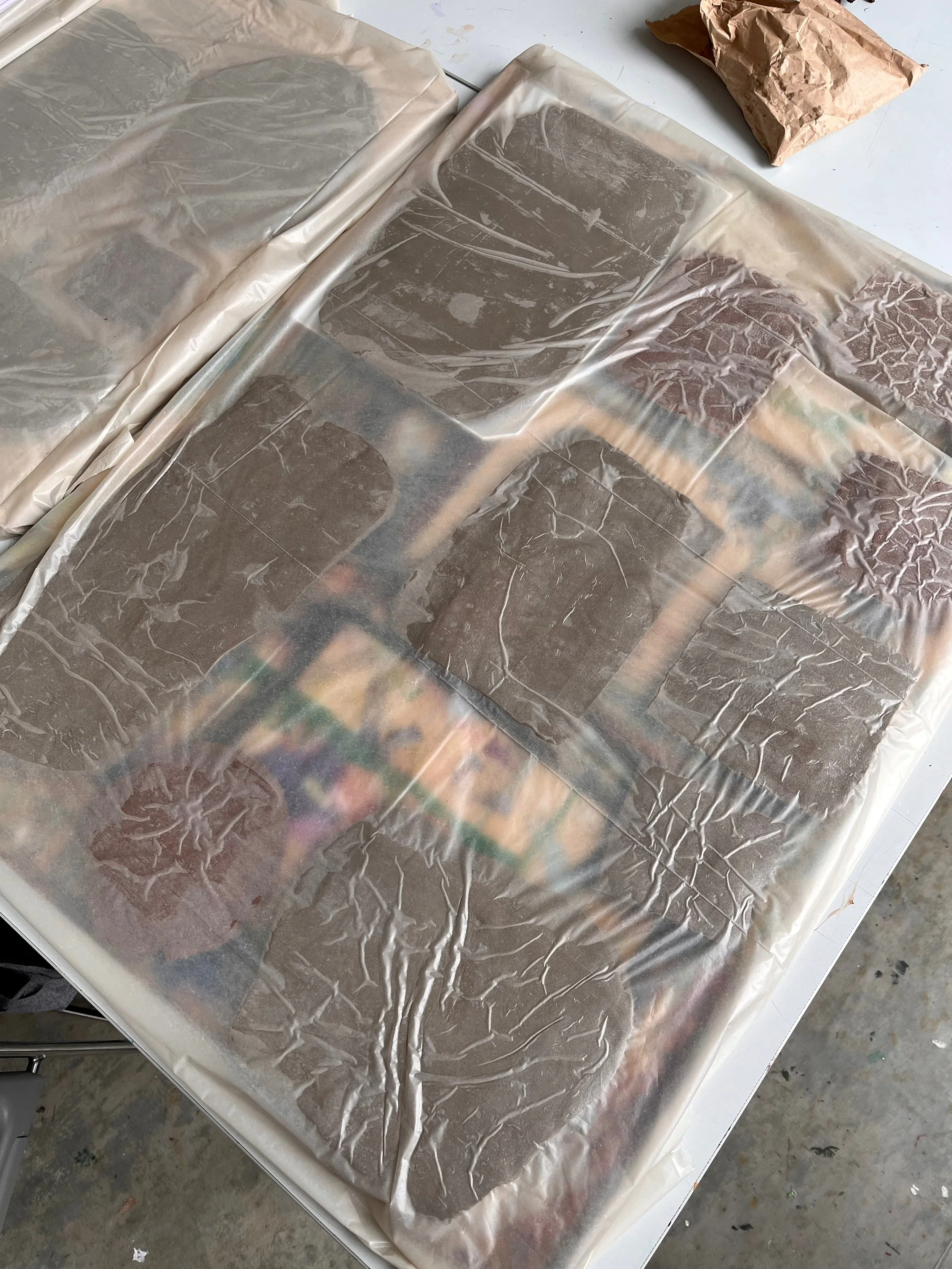
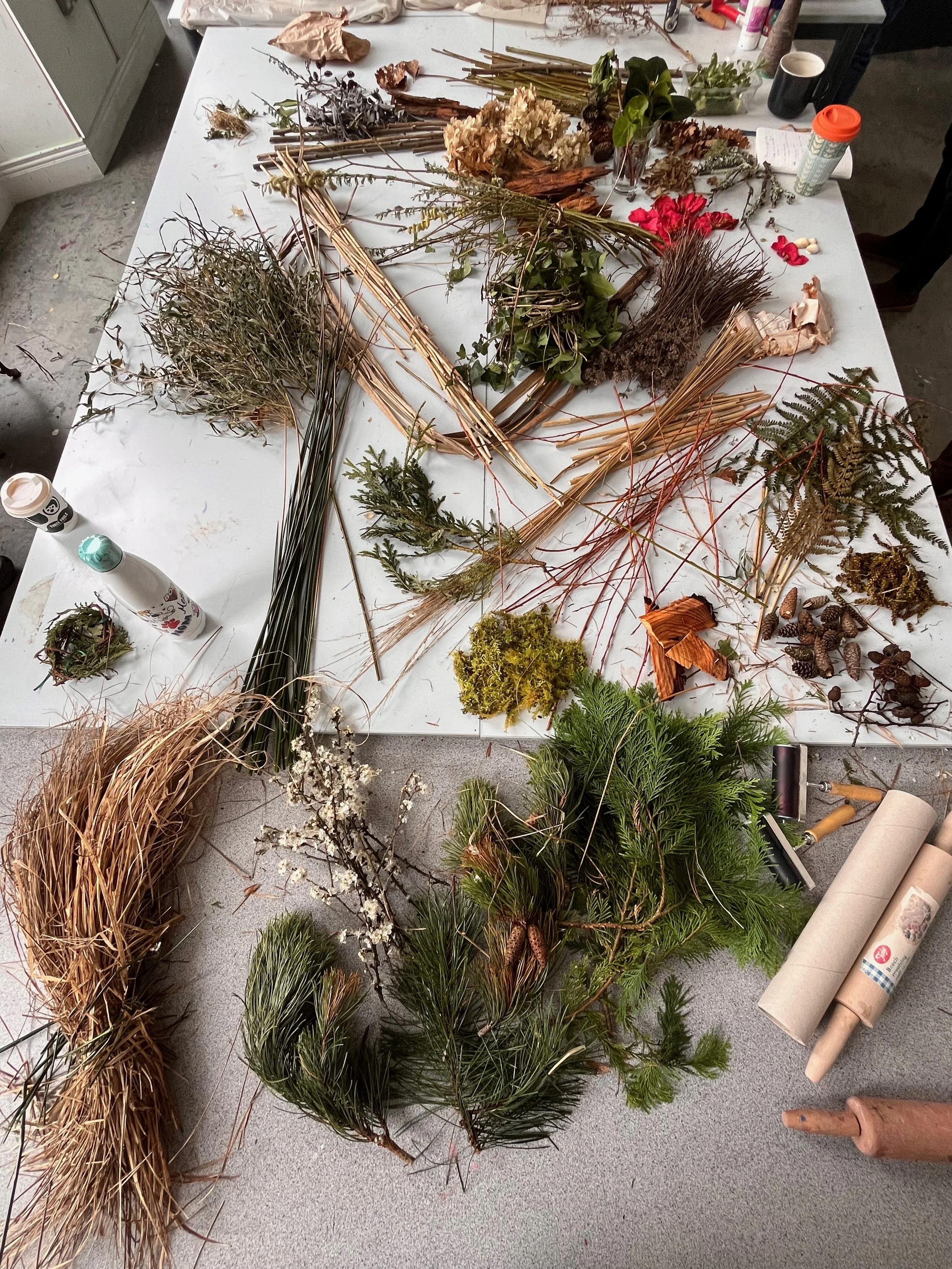

Handmade paper ARt
Using paper pulp and recycled materials to create unique handmade paper. Incorporating seeds saved and harvested from my garden provides a method of sharing nature. After planting the handmade paper, and when the natural materials decompose, the seeds embedded in the paper will transform into plants, flowers or herbs.